
Category: Mind-Body Wellness Tools
-

Stretching helps relieve stress in ways most people don’t realize. Life can get overwhelming and tension builds up in your shoulders, neck, or back. The solution might be as simple as a regular stretching routine. Research shows that regular exercise and stretching can reduce stress hormone levels by a lot. These include adrenaline and cortisol in…
-
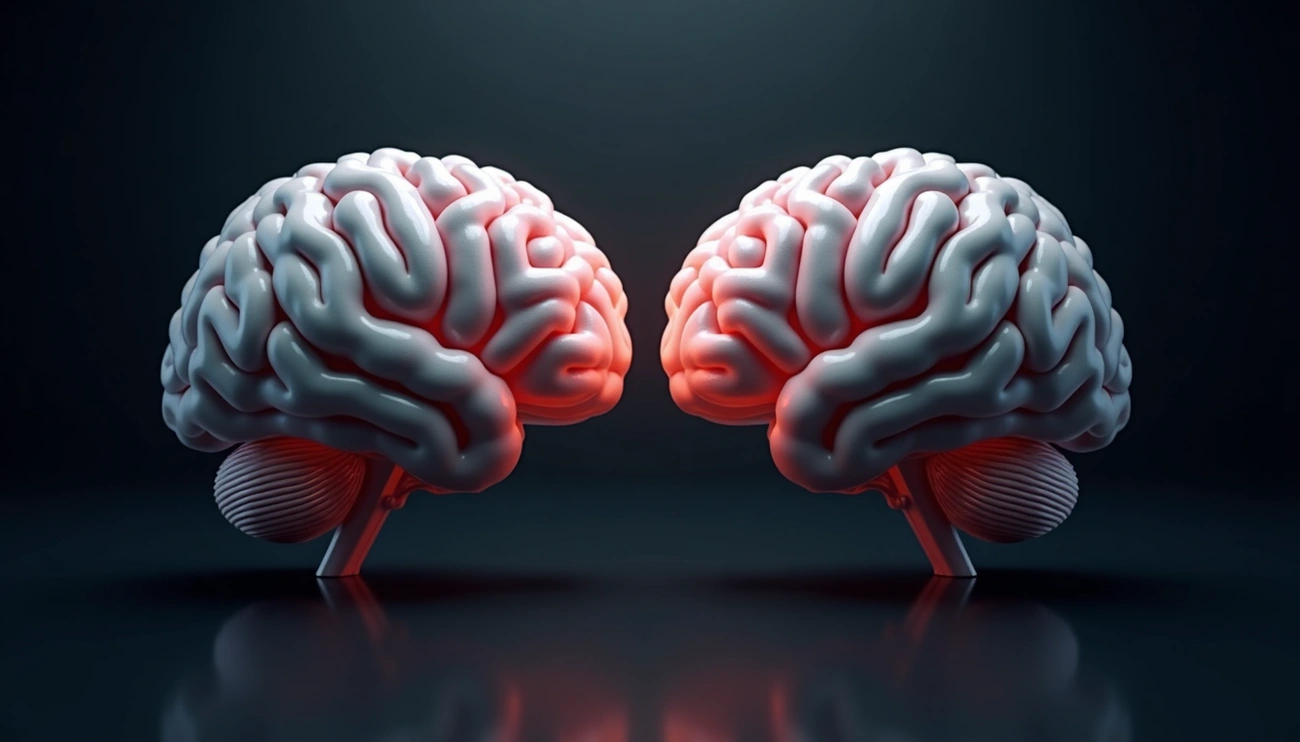
Our body’s main stress hormone, cortisol, can actually shrink our brain when it stays high for too long. Most people think stress just makes us feel bad temporarily, but science shows something much more serious. The constant presence of stress hormones like cortisol creates dangerous changes throughout our body and mind. These changes affect everything from…
-
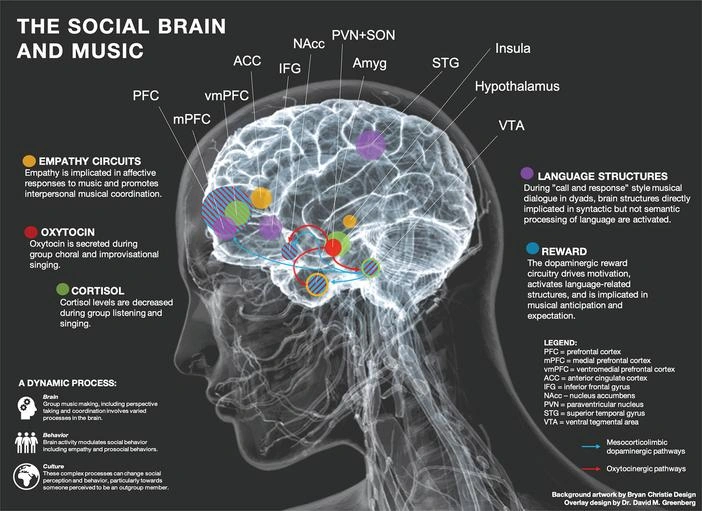
Music activates more brain regions at once than any other human activity. Our brains naturally connect with melodies, rhythms, and harmonies – the same sounds that have brought comfort to people worldwide for centuries, and neuroscience helps explain why. Research has shown music’s therapeutic benefits for patients with stroke, Parkinson’s disease, and memory disorders like…
-
Stress levels continue to rise, and exercise’s benefits for mental health have become crucial. Research links high stress to almost every major disease, including cancer and heart disease. Life’s increasing demands make finding ways to manage our mental wellbeing essential. Exercise stands out as a powerful solution. Physical activity triggers our bodies to release endorphins –…
-
The average person breathes 20,000 times daily without a second thought, yet this simple act could help reduce stress and anxiety. Proper breathing techniques, especially diaphragmatic breathing, can substantially affect our wellbeing. Research from The American Institute of Stress shows that dedicating 20 to 30 minutes to belly breathing daily reduces stress and anxiety. Most people…
-
The food mood connection is nowhere near as powerful as most of us realize. About 60% of your body weight is water, and being dehydrated by just 2% can impair cognitive function, exacerbate fatigue, and affect mood negatively. People who drink less than two glasses of water daily face double the risk of depression compared to those who drink…
-
Laughter does amazing things for our health. It reduces stress hormones like cortisol and gives our immune system a boost. Everyone knows how great a good laugh feels right away, but the health benefits last way beyond that moment of joy. The science shows that laughter creates measurable changes in our bodies that improve both…
-
Meditation can turn a racing mind into a peaceful sanctuary. Stress often overwhelms us as thoughts spiral out of control. Just a few minutes of meditation restores our inner calm. Scientific research backs what many practitioners already know – meditation works to treat anxiety, depression, and even ADHD. Meditation’s impact on our anxious minds goes…
-
Everyone needs healthy coping mechanisms in their emotional toolkit. Life offers countless ways to cope, but finding the quickest way to handle your unique situation can reshape how you deal with life’s challenges. Your ability to bounce back from difficult experiences – resilience – largely depends on having reliable coping methods ready. Building your own…
-
Journaling’s mental health benefits extend way beyond the reach and influence of our initial understanding. Research shows that people who write about their deepest thoughts and feelings take fewer sick days. They may heal faster from physical injuries too. This powerful practice does more than document daily events—science proves it’s a valuable tool for psychological…