
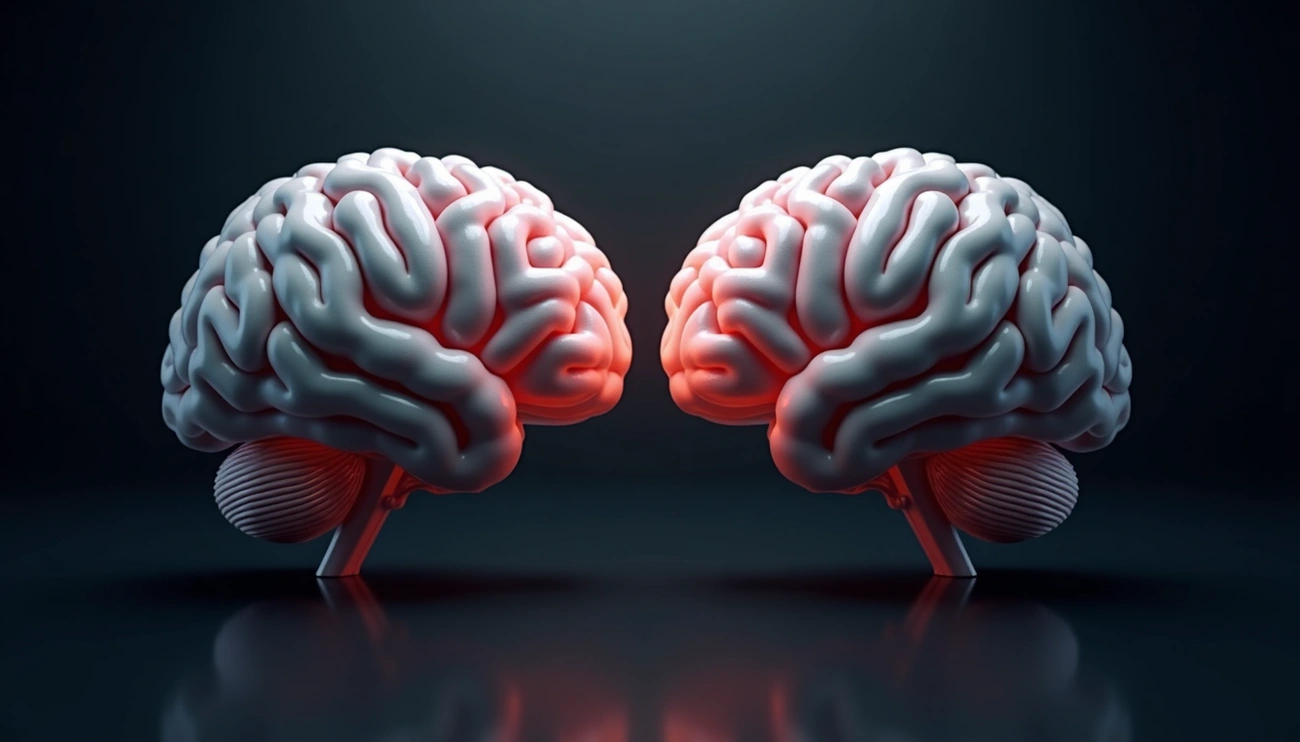
Our body’s main stress hormone, cortisol, can actually shrink our brain when it stays high for too long. Most people think stress just makes us feel bad temporarily, but science shows something much more serious. The constant presence of stress hormones like cortisol creates dangerous changes throughout our body and mind. These changes affect everything from our heart’s health to how well we remember things.

Cortisol is a hormone that kicks in during stressful times to help restore energy we use up while dealing with stress. But when stress doesn’t go away, high cortisol levels start damaging blood vessels, push blood pressure up, and make heart attacks and strokes more likely. On top of that, long-term stress ties closely to anxiety, depression, and PTSD. The effects get worse – ongoing stress speeds up brain aging and makes us more likely to develop serious brain diseases like dementia and Alzheimer’s. This piece dives into the hidden science of how cortisol changes our brain chemistry and what steps we can take to shield our mental health from its damaging effects.

What Does Cortisol Do in the Brain?

Diagram of cholinergic pathways in the brain highlighting key regions like temporal lobe, amygdala, and hippocampus.

Image Source: Leagrave Therapy Clinic

Cortisol affects our brain chemistry through specific pathways that go beyond its role in stress response. This hormone travels through the bloodstream and can easily cross the blood-brain barrier. This allows cortisol to interact with brain cells and neural circuits directly.

Our brain has two different types of cortisol receptors: mineralocorticoid receptors (MR or Type I) and glucocorticoid receptors (GR or Type II). These receptors work differently and appear in various brain regions. The limbic system contains MRs exclusively, and these bind to cortisol about 10 times stronger than GRs. At normal cortisol levels, MRs are 90% occupied while only 10% of GRs are involved.

The brain’s highest concentrations of cortisol receptors exist in the amygdala, hippocampus, and prefrontal cortex. This makes these regions more sensitive to cortisol’s effects. These areas control everything from emotional processing to memory formation and decision-making. Long-term stress can make cortisol toxic to cells, which leads to cellular damage and death in these brain structures.

Research shows that long exposure to cortisol can shrink the hippocampus, which we need to learn and remember things. Studies have also connected high cortisol stress responses to smaller right amygdala volume. This could change how well we regulate our emotions.

How Chronic Stress Rewires Brain Chemistry

Long-term stress permanently rewires our neural circuits. Your brain’s cortisol triggers a chain reaction that hardwires pathways between the hippocampus and amygdala. This makes your brain more likely to stay in fight-or-flight mode. While this extra neural coating might have helped our ancestors survive, it hurts us today.

The chemical changes in our brain raise serious concerns. High cortisol creates too much glutamate, which turns toxic and releases free radicals that damage brain cells. Chronic stress also substantially lowers serotonin and dopamine levels – key brain chemicals we need for stable moods and motivation. Women who lack serotonin often develop depression and anxiety. Men typically turn to alcohol and lose impulse control.

The scariest part is how cortisol stops making brain-derived neurotrophic factor (BDNF), a protein your brain cells need to stay healthy. Research shows that high cortisol speeds up BDNF decline after stressful events. This could lead to fewer new brain cells and higher risks of brain diseases.

Your body demonstrates these changes through a puffy “cortisol face”, belly fat, and a distinctive “buffalo hump” on your neck. These visible signs show that stress has started to rewire your whole system.

Signs and Symptoms of High Cortisol Levels

Illustrations showing five high cortisol symptoms: weight gain, fatigue, mood swings, bruising, and low sex drive.

Image Source: Health

Your body shows specific physical and psychological changes when cortisol levels are high. The most noticeable signs include weight gain around your belly (“cortisol belly”) and face (“moon face”). You might also notice a fatty deposit between your shoulders that doctors call a “buffalo hump”. Purple stretch marks often show up on your stomach, hips, and underarms. Your skin bruises easily and wounds take longer to heal.

High cortisol takes a toll on your mental health too. You might feel anxious, irritable, or depressed. Brain fog sets in, making it hard to concentrate or remember things. Research shows a direct link between high cortisol and reduced hippocampal volume, which affects your learning, memory, and emotional control.

Sleep problems are common because cortisol levels are tied to your body’s natural sleep-wake cycle. This creates a tough situation – poor sleep raises your cortisol levels even more.

Doctors can confirm high cortisol through several tests. Blood samples are usually taken twice a day – morning (when cortisol naturally peaks) and afternoon. They might also use 24-hour urine collection or late-night saliva tests. Saliva testing works well because healthy people’s cortisol levels drop a lot at night.

Watch out for signs of Cushing’s syndrome if your cortisol stays high. The symptoms include weak muscles, high blood pressure, high blood sugar, and low sex drive. See your doctor right away if you notice these warning signs.

Conclusion

Cortisol’s effects on the brain go way beyond temporary discomfort. This piece explores how this powerful stress hormone rewires our neural pathways under chronic elevation. Research shows that ongoing stress creates dangerous physical changes in brain regions with high cortisol receptor concentrations—the amygdala, hippocampus, and prefrontal cortex.

These changes show up as visible physical symptoms and hidden neurological damage. High cortisol levels often lead to weight gain, sleep problems, and cognitive issues. Deep inside our brains, cortisol disrupts key neurotransmitters like serotonin and dopamine. It also stops producing BDNF—a crucial protein that keeps brain cells healthy.

Learning about these mechanisms gives us the ability to spot stress-related symptoms early. Our brain health needs constant alertness against chronic stress. A shrinking hippocampus, hardwired neural pathways, and toxic effects pose serious risks to our cognitive function and emotional wellbeing.

Stress management strategies must become a priority among other health practices. Science tells us that protecting our brains from cortisol damage isn’t just about feeling better—it’s about preserving our neurological health for the future. Only when we are willing to spot stress symptoms early and tackle why it happens can we protect our most complex and precious organ from this powerful hormone’s hidden yet profound effects.

Key Takeaways

Understanding how cortisol affects your brain chemistry is crucial for protecting your mental health and cognitive function from the damaging effects of chronic stress.

• Chronic cortisol exposure physically shrinks brain regions like the hippocampus, impairing memory formation and emotional regulation • Elevated stress hormones deplete essential neurotransmitters (serotonin, dopamine) while halting production of brain-protective BDNF protein • High cortisol creates visible symptoms including “cortisol belly,” facial puffiness, brain fog, and sleep disturbances that signal neurological damage • Stress literally rewires neural pathways between the hippocampus and amygdala, keeping your brain stuck in fight-or-flight mode • Early recognition and stress management are essential to prevent accelerated brain aging and reduce risk of neurodegenerative diseases

The key insight: chronic stress isn’t just uncomfortable—it’s actively damaging your brain structure and chemistry. Protecting your neurological health requires treating stress management as seriously as any other health priority.

FAQs

Q1. How does chronic stress affect brain chemistry? Chronic stress can significantly alter brain chemistry by depleting essential neurotransmitters like serotonin and dopamine, and halting the production of brain-derived neurotrophic factor (BDNF), a protein crucial for maintaining healthy brain cells. This can lead to changes in mood, cognition, and even brain structure over time.

Q2. What are some visible signs of high cortisol levels? High cortisol levels can manifest as weight gain, especially around the abdomen (known as “cortisol belly”), facial puffiness, and a fatty deposit between the shoulders called a “buffalo hump.” Other signs include purple stretch marks, easy bruising, and slow wound healing.

Q3. Can stress-induced cortisol spikes affect memory? Yes, elevated cortisol levels can impact memory function. Research has shown that increased cortisol reactivity to stress is associated with deficits in declarative memory. Long-term exposure to high cortisol levels has been linked to reduced hippocampal volume, which is crucial for memory formation and emotional regulation.

Q4. How can I test for high cortisol levels? Cortisol levels can be tested through blood, urine, or saliva samples. Blood tests are typically done twice daily, while 24-hour urine collection can reveal abnormal cortisol patterns. Late-night saliva testing is also effective, as cortisol should naturally decrease at night in healthy individuals.

Q5. What are some ways to manage cortisol levels? While specific methods weren’t mentioned in the article, managing cortisol levels generally involves stress reduction techniques such as regular exercise, adequate sleep, mindfulness practices, and maintaining a balanced diet. It’s important to recognize stress symptoms early and address their root causes to protect your brain from the damaging effects of chronic cortisol exposure.


Our body’s main stress hormone, cortisol, can actually shrink our brain when it stays high for too long. Most people think stress just makes us feel bad temporarily, but science shows something much more serious. The constant presence of stress hormones like cortisol creates dangerous changes throughout our body and mind. These changes affect everything from our heart’s health to how well we remember things.

Cortisol is a hormone that kicks in during stressful times to help restore energy we use up while dealing with stress. But when stress doesn’t go away, high cortisol levels start damaging blood vessels, push blood pressure up, and make heart attacks and strokes more likely. On top of that, long-term stress ties closely to anxiety, depression, and PTSD. The effects get worse – ongoing stress speeds up brain aging and makes us more likely to develop serious brain diseases like dementia and Alzheimer’s. This piece dives into the hidden science of how cortisol changes our brain chemistry and what steps we can take to shield our mental health from its damaging effects.

What Does Cortisol Do in the Brain?

Diagram of cholinergic pathways in the brain highlighting key regions like temporal lobe, amygdala, and hippocampus.

Image Source: Leagrave Therapy Clinic

Cortisol affects our brain chemistry through specific pathways that go beyond its role in stress response. This hormone travels through the bloodstream and can easily cross the blood-brain barrier. This allows cortisol to interact with brain cells and neural circuits directly.

Our brain has two different types of cortisol receptors: mineralocorticoid receptors (MR or Type I) and glucocorticoid receptors (GR or Type II). These receptors work differently and appear in various brain regions. The limbic system contains MRs exclusively, and these bind to cortisol about 10 times stronger than GRs. At normal cortisol levels, MRs are 90% occupied while only 10% of GRs are involved.

The brain’s highest concentrations of cortisol receptors exist in the amygdala, hippocampus, and prefrontal cortex. This makes these regions more sensitive to cortisol’s effects. These areas control everything from emotional processing to memory formation and decision-making. Long-term stress can make cortisol toxic to cells, which leads to cellular damage and death in these brain structures.

Research shows that long exposure to cortisol can shrink the hippocampus, which we need to learn and remember things. Studies have also connected high cortisol stress responses to smaller right amygdala volume. This could change how well we regulate our emotions.

How Chronic Stress Rewires Brain Chemistry

Long-term stress permanently rewires our neural circuits. Your brain’s cortisol triggers a chain reaction that hardwires pathways between the hippocampus and amygdala. This makes your brain more likely to stay in fight-or-flight mode. While this extra neural coating might have helped our ancestors survive, it hurts us today.

The chemical changes in our brain raise serious concerns. High cortisol creates too much glutamate, which turns toxic and releases free radicals that damage brain cells. Chronic stress also substantially lowers serotonin and dopamine levels – key brain chemicals we need for stable moods and motivation. Women who lack serotonin often develop depression and anxiety. Men typically turn to alcohol and lose impulse control.

The scariest part is how cortisol stops making brain-derived neurotrophic factor (BDNF), a protein your brain cells need to stay healthy. Research shows that high cortisol speeds up BDNF decline after stressful events. This could lead to fewer new brain cells and higher risks of brain diseases.

Your body demonstrates these changes through a puffy “cortisol face”, belly fat, and a distinctive “buffalo hump” on your neck. These visible signs show that stress has started to rewire your whole system.

Signs and Symptoms of High Cortisol Levels

Illustrations showing five high cortisol symptoms: weight gain, fatigue, mood swings, bruising, and low sex drive.

Image Source: Health

Your body shows specific physical and psychological changes when cortisol levels are high. The most noticeable signs include weight gain around your belly (“cortisol belly”) and face (“moon face”). You might also notice a fatty deposit between your shoulders that doctors call a “buffalo hump”. Purple stretch marks often show up on your stomach, hips, and underarms. Your skin bruises easily and wounds take longer to heal.

High cortisol takes a toll on your mental health too. You might feel anxious, irritable, or depressed. Brain fog sets in, making it hard to concentrate or remember things. Research shows a direct link between high cortisol and reduced hippocampal volume, which affects your learning, memory, and emotional control.

Sleep problems are common because cortisol levels are tied to your body’s natural sleep-wake cycle. This creates a tough situation – poor sleep raises your cortisol levels even more.

Doctors can confirm high cortisol through several tests. Blood samples are usually taken twice a day – morning (when cortisol naturally peaks) and afternoon. They might also use 24-hour urine collection or late-night saliva tests. Saliva testing works well because healthy people’s cortisol levels drop a lot at night.

Watch out for signs of Cushing’s syndrome if your cortisol stays high. The symptoms include weak muscles, high blood pressure, high blood sugar, and low sex drive. See your doctor right away if you notice these warning signs.

Conclusion

Cortisol’s effects on the brain go way beyond temporary discomfort. This piece explores how this powerful stress hormone rewires our neural pathways under chronic elevation. Research shows that ongoing stress creates dangerous physical changes in brain regions with high cortisol receptor concentrations—the amygdala, hippocampus, and prefrontal cortex.

These changes show up as visible physical symptoms and hidden neurological damage. High cortisol levels often lead to weight gain, sleep problems, and cognitive issues. Deep inside our brains, cortisol disrupts key neurotransmitters like serotonin and dopamine. It also stops producing BDNF—a crucial protein that keeps brain cells healthy.

Learning about these mechanisms gives us the ability to spot stress-related symptoms early. Our brain health needs constant alertness against chronic stress. A shrinking hippocampus, hardwired neural pathways, and toxic effects pose serious risks to our cognitive function and emotional wellbeing.

Stress management strategies must become a priority among other health practices. Science tells us that protecting our brains from cortisol damage isn’t just about feeling better—it’s about preserving our neurological health for the future. Only when we are willing to spot stress symptoms early and tackle why it happens can we protect our most complex and precious organ from this powerful hormone’s hidden yet profound effects.

Key Takeaways

Understanding how cortisol affects your brain chemistry is crucial for protecting your mental health and cognitive function from the damaging effects of chronic stress.

• Chronic cortisol exposure physically shrinks brain regions like the hippocampus, impairing memory formation and emotional regulation • Elevated stress hormones deplete essential neurotransmitters (serotonin, dopamine) while halting production of brain-protective BDNF protein • High cortisol creates visible symptoms including “cortisol belly,” facial puffiness, brain fog, and sleep disturbances that signal neurological damage • Stress literally rewires neural pathways between the hippocampus and amygdala, keeping your brain stuck in fight-or-flight mode • Early recognition and stress management are essential to prevent accelerated brain aging and reduce risk of neurodegenerative diseases

The key insight: chronic stress isn’t just uncomfortable—it’s actively damaging your brain structure and chemistry. Protecting your neurological health requires treating stress management as seriously as any other health priority.

FAQs

Q1. How does chronic stress affect brain chemistry? Chronic stress can significantly alter brain chemistry by depleting essential neurotransmitters like serotonin and dopamine, and halting the production of brain-derived neurotrophic factor (BDNF), a protein crucial for maintaining healthy brain cells. This can lead to changes in mood, cognition, and even brain structure over time.

Q2. What are some visible signs of high cortisol levels? High cortisol levels can manifest as weight gain, especially around the abdomen (known as “cortisol belly”), facial puffiness, and a fatty deposit between the shoulders called a “buffalo hump.” Other signs include purple stretch marks, easy bruising, and slow wound healing.

Q3. Can stress-induced cortisol spikes affect memory? Yes, elevated cortisol levels can impact memory function. Research has shown that increased cortisol reactivity to stress is associated with deficits in declarative memory. Long-term exposure to high cortisol levels has been linked to reduced hippocampal volume, which is crucial for memory formation and emotional regulation.

Q4. How can I test for high cortisol levels? Cortisol levels can be tested through blood, urine, or saliva samples. Blood tests are typically done twice daily, while 24-hour urine collection can reveal abnormal cortisol patterns. Late-night saliva testing is also effective, as cortisol should naturally decrease at night in healthy individuals.

Q5. What are some ways to manage cortisol levels? While specific methods weren’t mentioned in the article, managing cortisol levels generally involves stress reduction techniques such as regular exercise, adequate sleep, mindfulness practices, and maintaining a balanced diet. It’s important to recognize stress symptoms early and address their root causes to protect your brain from the damaging effects of chronic cortisol exposure.