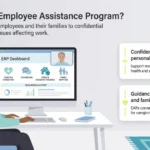

Parents faced immense stress during the COVID-19 pandemic, with 70% citing family responsibilities as their biggest stressor. Personal challenges at home naturally affect our work lives, impacting focus, productivity, and overall well-being.
Employee Assistance Programs (EAPs) are a great way to get help during tough times. These programs don’t just help employees – they extend support to family members too, because personal problems rarely happen in isolation. These support systems help during family crises and reduce absenteeism by a lot. They also address situations where employees are physically present but mentally preoccupied with personal concerns.
This piece explores EAPs in detail, including available family support options and their practical applications. You’ll learn how to access EAP services for your family members, particularly when home life affects your work performance. Research shows that employees who get proper support during personal challenges stay loyal to their organizations longer.
What is an EAP and how it helps families
Employee Assistance Programs (EAPs) are workplace benefits that provide free, confidential support services to employees and their families. These programs stand out from other workplace perks because they help people deal with personal challenges that could affect their work or well-being.
An EAP comes with several key services:
- Professional assessments and short-term counseling (usually 3-6 sessions)
- Referrals to specialized resources when you need ongoing support
- Help available round-the-clock, every day of the year
Families benefit greatly from EAPs because of their all-inclusive coverage. About 79% of U.S. companies now provide these programs, which means roughly 70 million workers and their family members can access support services. In spite of that, only 5-10% of eligible people actually use these valuable resources.
EAPs extend their support beyond just employees to their immediate family members. They understand that a family’s well-being directly affects workplace performance. These programs help with many family challenges such as:
- Marriage and relationship problems
- Parenting issues
- Elder care and childcare concerns
- Money stress in the family
- Household substance use problems
EAPs recognize how conflicts between work and family life can harm behavior, emotions, and health. These programs create a support system that helps both employees and their families, which leads to better outcomes for everyone involved.
Types of EAP support for family-related issues

Image Source: Sonder
EAP services go beyond workplace issues to include detailed support for family challenges of all types. Family wellbeing directly affects how employees perform at work. The programs then extend their services to immediate family members like spouses, children, parents, and sometimes siblings.
Mental health support is the life-blood of family-related EAP benefits. Members can get 3-8 counseling sessions per issue annually. These services help with family concerns such as:
- Relationship assistance: Marriage counseling, divorce adjustment, communication issues, and blended family challenges
- Parenting support: Education resources, help with child behavior problems, and school-related concerns
- Caregiving guidance: Childcare locator services, eldercare resources, and special needs assistance
- Crisis intervention: Support during family emergencies, trauma, or loss
EAPs also provide practical help through legal and financial services. Members can get help with will preparation, estate planning, divorce guidance, education funding, and family budgeting consultations.
The private nature of EAP services creates a safe space for families going through tough times. These services offer valuable benefits, yet fewer than 10% of eligible people use EAP resources. This shows how many people miss out on the wide range of family support available.
EAPs help families dealing with substance use disorders by providing assessment, short-term counseling, and treatment referrals.
Real-life examples of EAP support in action
Let’s get into how EAPs help people in everyday situations. A parent who struggles with their teenager’s behavior can benefit from these programs. The EAP gives them access to professional coaching that builds better communication with their teen. They also receive confidential support for challenges like defiant behavior, eating disorders, alcohol use, and school troubles.
Working parents who move to a new city often feel stressed about finding childcare. Their EAP helps by connecting them with trusted daycare centers, which lets them concentrate on their work. A newer study, published by researchers shows that employees who had child care support showed a 25% increase in job satisfaction.
These programs give families free legal consultations on matters like divorce, custody, adoption, and landlord disputes. Identity theft victims get immediate help from an EAP’s fraud resolution specialist who guides them through emergency steps.
The EAP’s support becomes a vital resource during times of grief. An employee’s partner can talk to licensed bereavement counselors after losing a loved one. These services stay open 24/7 because grief doesn’t follow a schedule.
EAPs help families handle parenting challenges at every stage – from planning a family to helping children prepare for college.
How to access EAP services for family members

Image Source: SketchBubble
Many employees don’t know how to help their family members use EAP support, though the process is simple. Your household family members can use these services, and this includes spouses, domestic partners, children, and anyone who lives permanently in your home.
Family members can reach out through several ways to get help. Care counselors are ready to help around the clock through phone hotlines throughout the year. To cite an instance, DuPont’s family members just need to call ComPsych at 1-844-856-8778. They can also use online portals, mobile apps, and email if they prefer to handle things themselves.
The process protects everyone’s privacy completely. Family members can reach out to the EAP on their own through anonymous self-referral without involving the employee. The counseling sessions remain private between family members and their providers.
You should check your family’s eligibility before using these services. EAPs usually provide between 3-12 free counseling sessions per issue each year. Anthem’s EAP gives dependents work/life support and private counseling at no cost. Programs like Texas Health’s EAP cover both full-time and part-time employees, along with anyone who lives permanently in an eligible employee’s home.
Family members should get authorization codes before their appointments if they’re using the service for the first time.
Conclusion
Family challenges affect how well people perform at work. Yet only a small number of eligible people take advantage of the detailed support that Employee Assistance Programs provide. These programs give vital resources to families who face difficulties. The support ranges from relationship counseling and parenting help to legal assistance and financial guidance.
Home life and work productivity are closely linked. An employee’s focus and well-being suffer when family problems arise. EAPs understand this connection. That’s why they extend their support beyond just the worker to help their whole family.
These programs give confidential, professional support at critical moments that could otherwise hurt careers. Company-provided EAP benefits help parents with defiant teenagers, families moving to new cities, and couples with relationship problems. On top of that, help is available 24/7 when families need it most.
EAPs are valuable but people rarely use them. While 79% of U.S. companies offer these programs, only 5-10% of eligible people use the services. Millions of families miss the chance to get professional help during tough times.
Family members can easily access these resources through phone hotlines, online portals, or mobile apps. Personal matters stay private thanks to confidentiality measures. Multiple sessions for each issue provide meaningful help rather than quick fixes.
Companies that promote their EAP benefits create stronger workplaces. Employees who get proper support during personal challenges show more loyalty and work better. While personal and professional boundaries exist, smart organizations know that helping employees’ families benefits everyone.
Key Takeaways
Employee Assistance Programs offer comprehensive support that extends beyond individual employees to include their entire families, addressing the reality that personal challenges directly impact workplace performance.
• EAPs provide extensive family coverage: 79% of U.S. companies offer EAPs covering spouses, children, and household members with 3-8 free counseling sessions annually.
• Support spans multiple life challenges: From relationship counseling and parenting resources to legal guidance, financial assistance, and crisis intervention services.
• Access is confidential and convenient: Family members can independently contact EAPs through 24/7 hotlines, online portals, or mobile apps without employee involvement.
• Utilization remains critically low: Despite widespread availability, only 5-10% of eligible individuals use these valuable resources, representing a massive missed opportunity.
• Family wellbeing drives workplace success: Employees with adequate personal support demonstrate 25% higher job satisfaction and greater organizational loyalty.
The disconnect between EAP availability and usage highlights the need for better awareness and promotion of these life-changing resources that can transform both family stability and professional performance.
FAQs
Q1. Are family members eligible for EAP services? Yes, most Employee Assistance Programs (EAPs) extend coverage to immediate family members, including spouses, children, and often anyone permanently residing in the employee’s home. This coverage typically includes access to counseling sessions, legal advice, and other support services.
Q2. How many counseling sessions does an EAP typically offer? EAPs generally provide between 3 to 8 free counseling sessions per issue annually. The exact number may vary depending on the specific program and employer, but this range is common for addressing various personal and family-related concerns.
Q3. How can family members access EAP services? Family members can access EAP services through multiple channels, including 24/7 phone hotlines, online portals, mobile apps, and email. Many providers allow family members to initiate contact independently through anonymous self-referral, ensuring privacy and confidentiality.
Q4. What types of family issues can an EAP help with? EAPs can assist with a wide range of family-related issues, including relationship difficulties, parenting challenges, childcare and elder care concerns, legal disputes, financial stress, substance abuse problems, and crisis intervention. They also offer support for work-life balance and mental health concerns.
Q5. Are EAP services confidential? Yes, EAP services are strictly confidential. What happens in counseling sessions stays between the family member and their provider. Employers do not receive information about who uses the services or the nature of the issues discussed, ensuring privacy for all users.