
Category: Veterans Assistance Programs (VAPS)
-
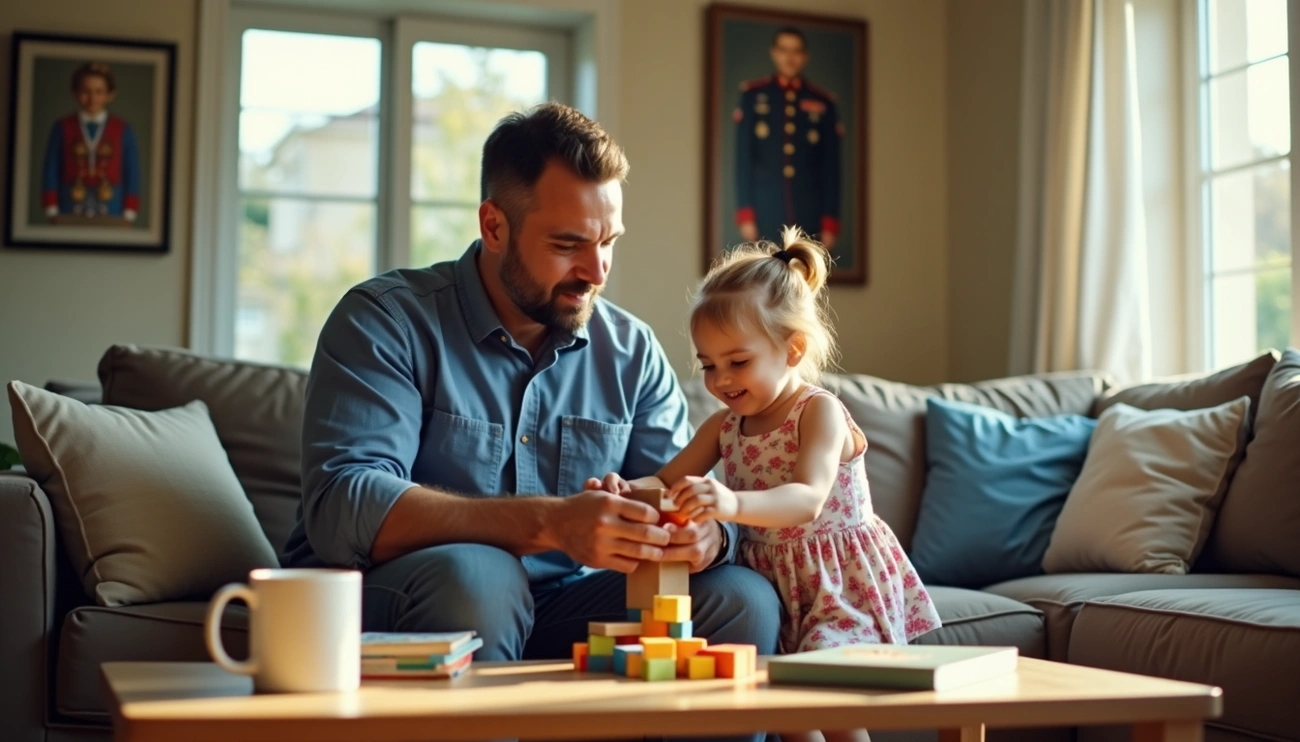
Military family resources play a vital role for veterans, as roughly 20% of Iraq and Afghanistan veterans experience post-traumatic stress disorder. The transition from military service to civilian life brings unique challenges, particularly for those who become parents during or after their service. Clinton’s story comes to mind. He was just three days into his first…
-
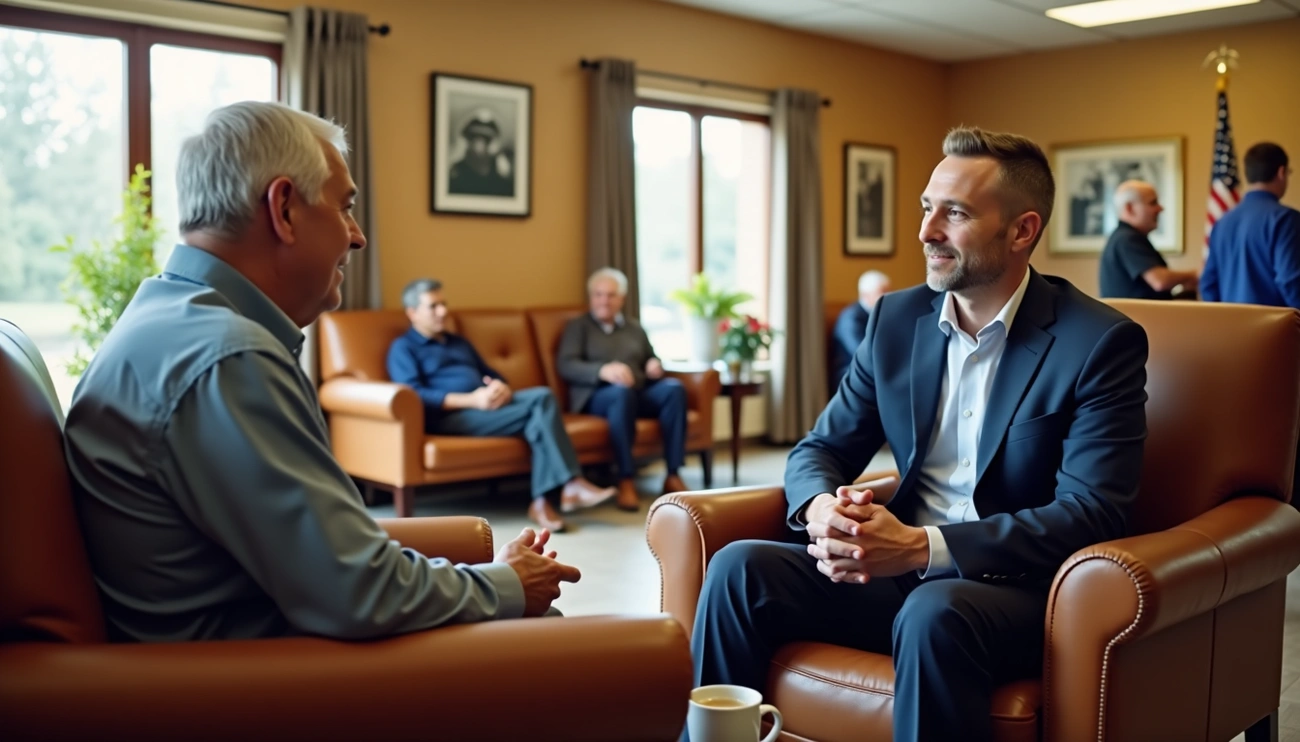
Peer specialists are a vital part of mental health recovery and veteran reintegration. They offer something you won’t find in traditional clinical settings – lived experience. Support groups in the United States have grown into a strong network. More than 500,000 groups now help over 6.25 million people who want to connect and feel understood. These…
-
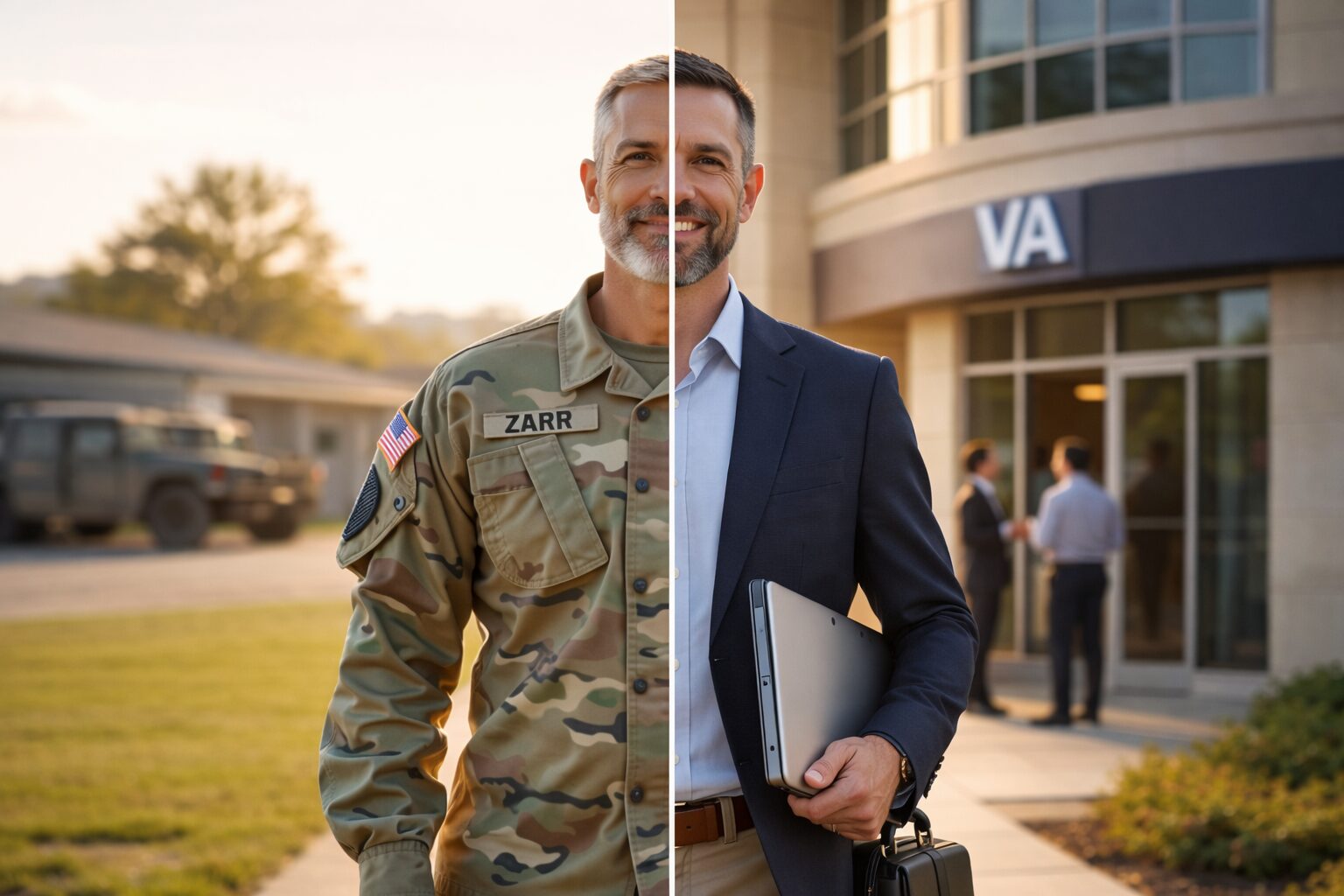
Veterans face many challenges as they leave military service and return to civilian life. Each year, thousands of veterans join the civilian workforce, ready to apply their skills, discipline, and leadership to new opportunities. The move from structured military environments to civilian settings often leaves them feeling overwhelmed and disoriented. Service members who complete their military…
-
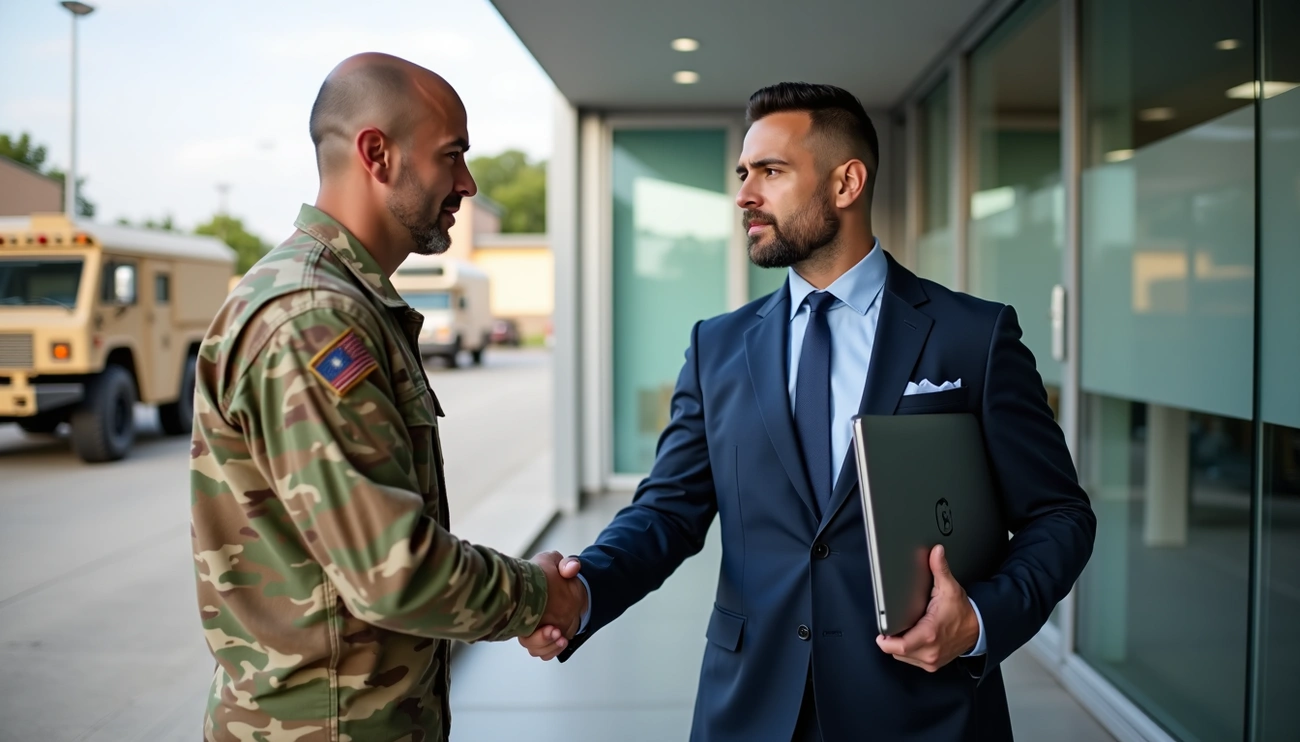
The United States sees more than 200,000 servicemembers transitioning from active duty to civilian life each year, becoming part of a 19-million-strong military veteran community. Military personnel often find their transition experience challenging, complex, and overwhelming after dedicating years to serving our country. The transition represents more than just finding a new job – it…
-
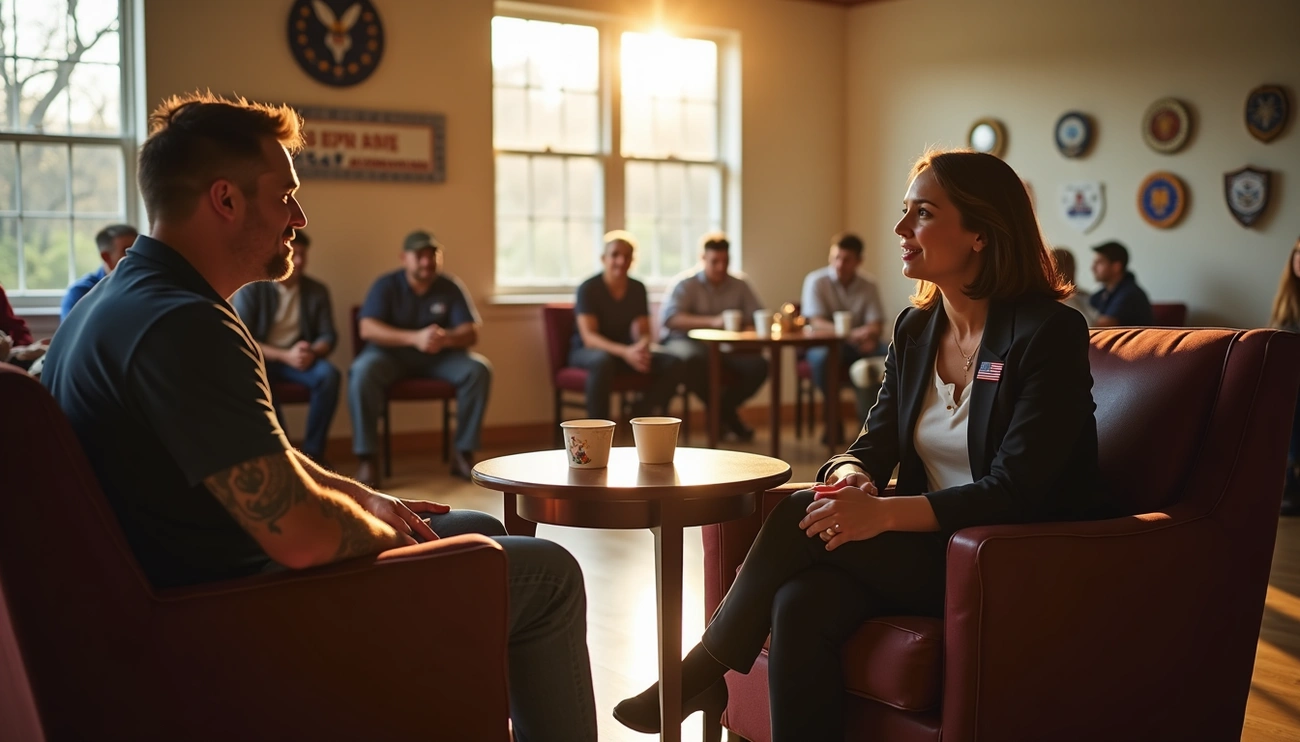
The suicide crisis among veterans has reached critical levels. Veterans face a 1.5 times higher risk of dying by suicide compared to non-veteran adults. They represent just 7.6% of the U.S. population but account for 14% of all adult suicides in America. This tragic situation continues to worsen. Suicide deaths have climbed by 36% between 2000 and 2022. Young…
-
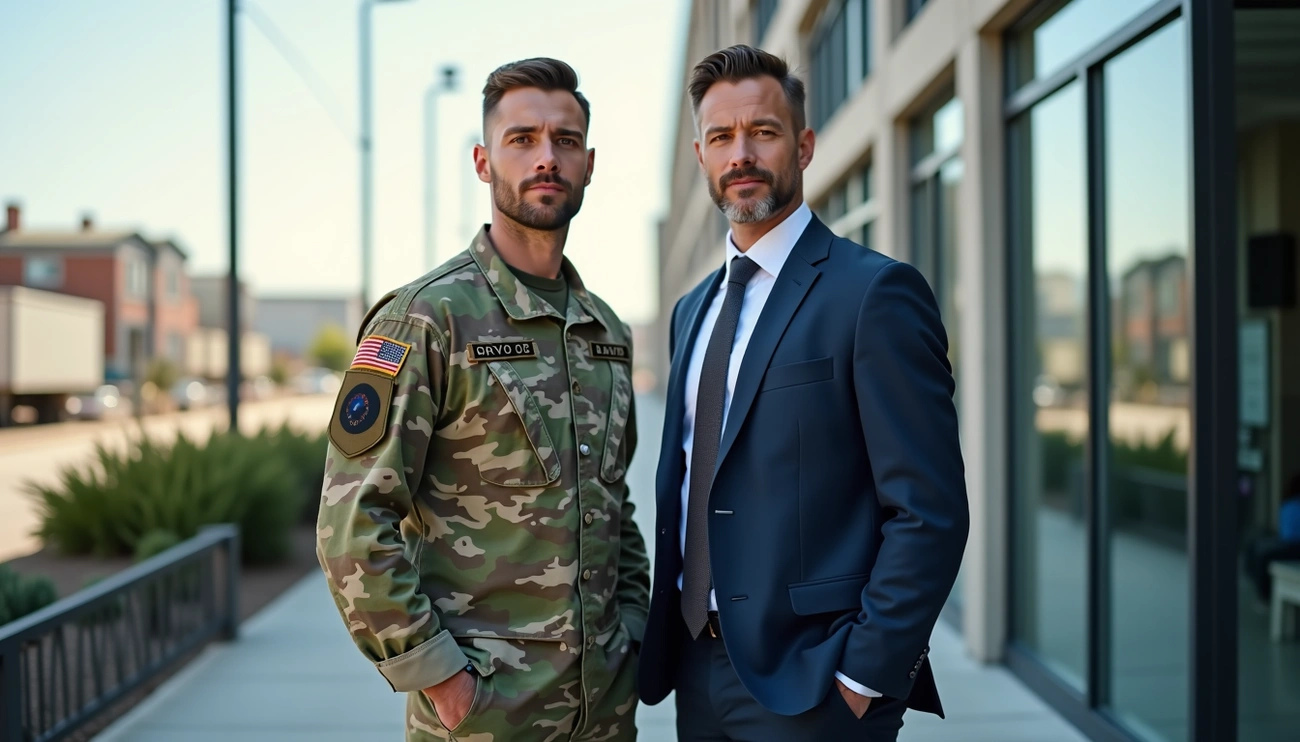
About 200,000 service members start their transition experience to civilian life each year. This radical alteration requires them to adapt to new ways of living. The path comes with many challenges. Many veterans who left service haven’t connected with resources and benefits that could help them. The situation becomes more concerning as 43% of service members can’t…
-
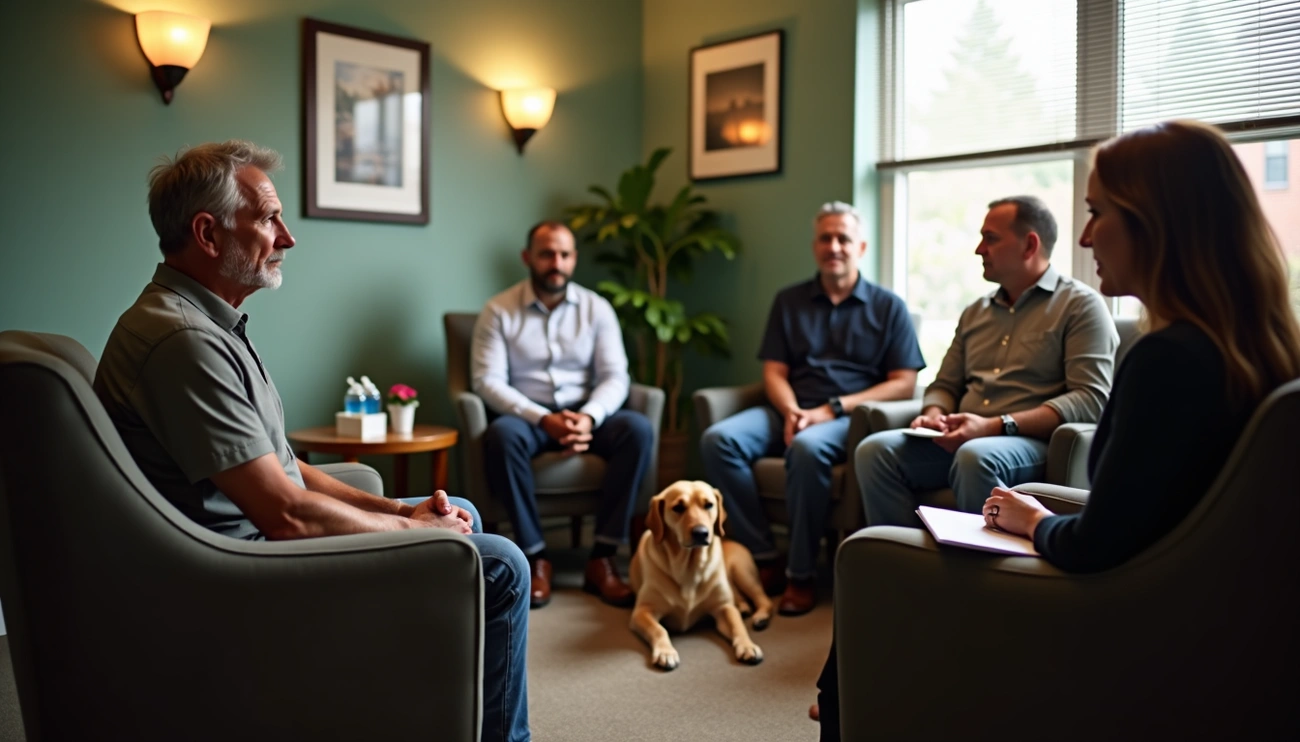
PTSD affects up to 30 percent of veterans who served in Iraq and Afghanistan. This creates an urgent need for effective veteran PTSD programs throughout the country. The situation becomes more challenging because nearly 40 percent of veterans diagnosed with PTSD live in rural communities where resources are scarce. We understand the challenges of navigating support…