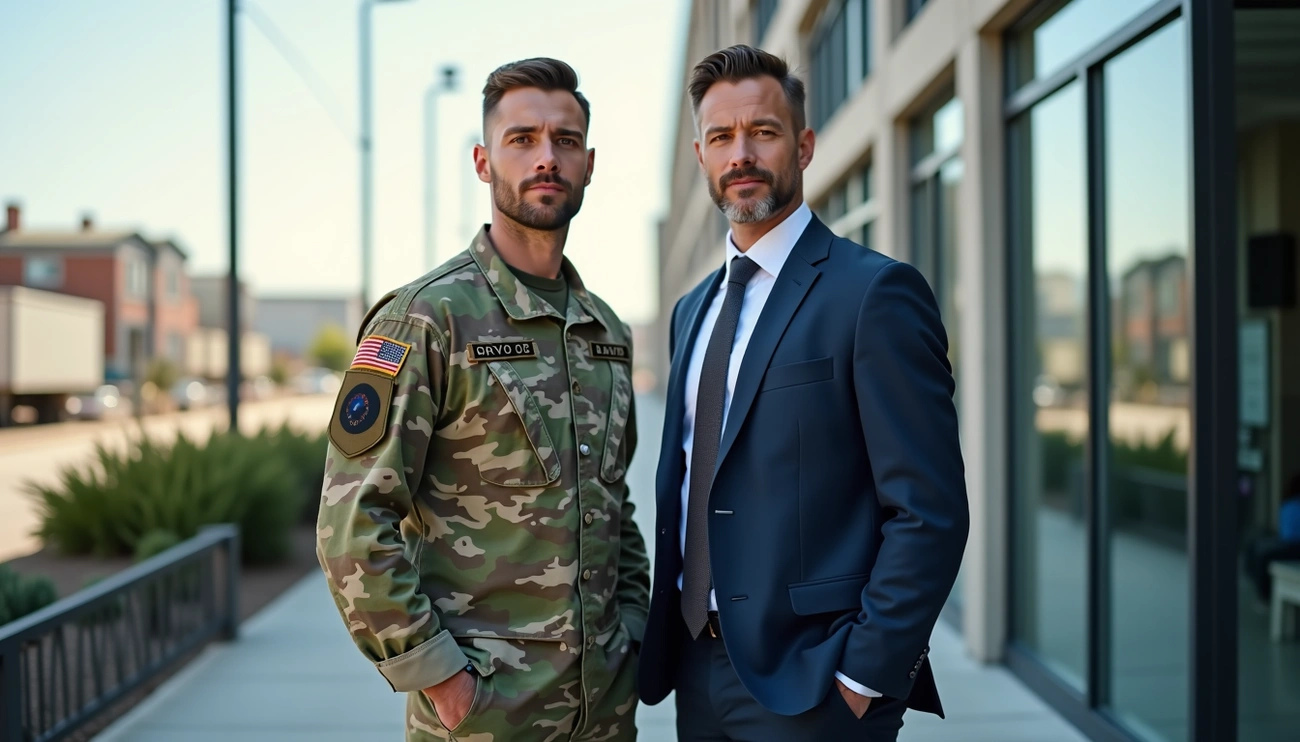
About 200,000 service members start their transition experience to civilian life each year. This radical alteration requires them to adapt to new ways of living. The path comes with many challenges. Many veterans who left service haven’t connected with resources and benefits that could help them. The situation becomes more concerning as 43% of service members can’t find jobs within three months after discharge. Veterans also struggle with health issues. Their suicide rates peak during the first three years after leaving military service. These facts show why complete transition assistance is vital. Support programs have shown positive results. A VA program helped 13,000 veterans who lost their jobs during the COVID-19 pandemic by giving them housing money and education support. Yet service delivery still has gaps. More than 4,300 at-risk service members missed out on significant help between April 2021 and March 2023. This piece will take you through the complex shift from military to civilian life. You’ll learn about key VAP programs that make a difference and ways to improve support for those who served our country. Understanding the Transition From Military to Civilian Life Photo by Rosie Sun on Unsplash. Image Source: Homefront Group Veterans say returning to civilian life represents a deep cultural change, not just a new job. Between 27% and 44% of veterans find it hard to adjust back to civilian life. This…
Continue reading this article
Join to unlock the complete article, printable journals, and the full members-only library.