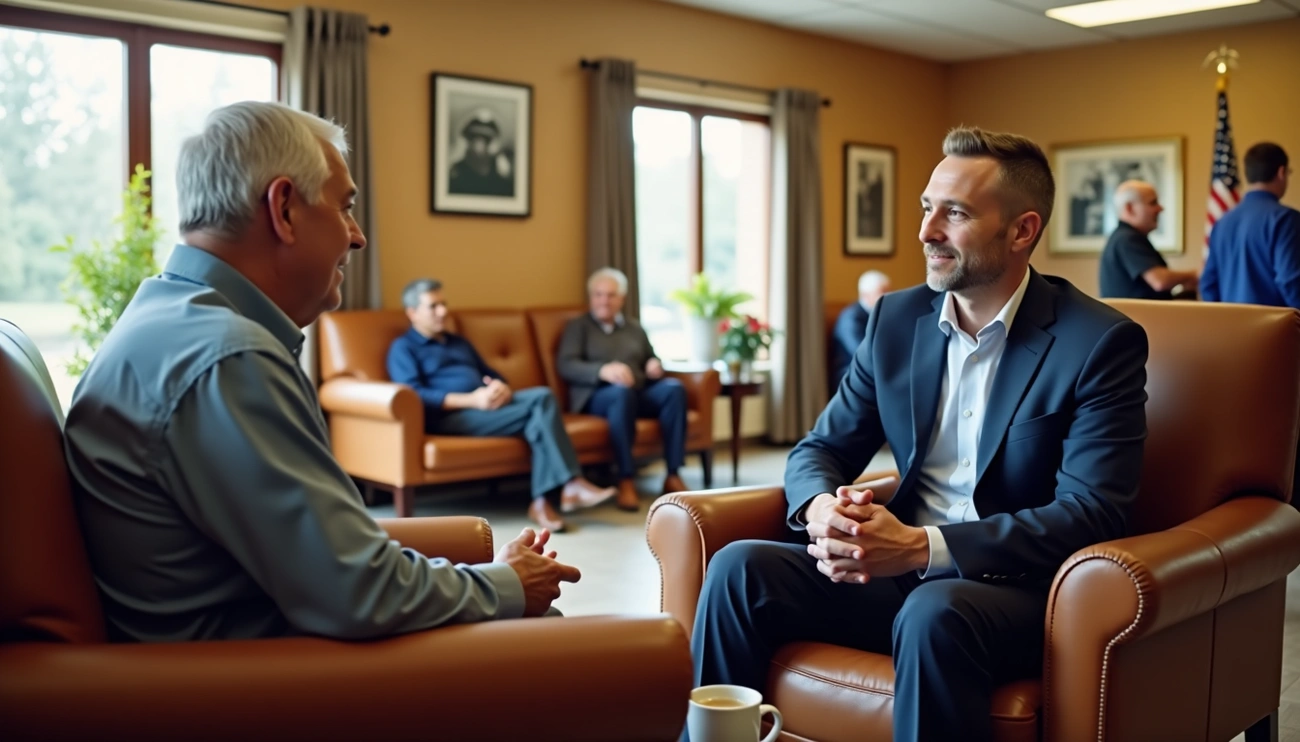
Peer specialists are a vital part of mental health recovery and veteran reintegration. They offer something you won’t find in traditional clinical settings – lived experience. Support groups in the United States have grown into a strong network. More than 500,000 groups now help over 6.25 million people who want to connect and feel understood. These groups aren’t just helpful – they fill major gaps in our healthcare system.

Most doctors spend between 12 and 28 minutes with their patients. One in four doctors spend nowhere near that – less than 12 minutes per visit. That’s where peer support specialists step in to provide the guidance people need. Veterans get exceptional benefits from this support system. Studies show that veterans who join peer-based programs feel much less isolated and are more willing to ask for help. On top of that, these connections help veterans move forward with jobs, housing, and education.

The Veterans Affairs system has seen the value of peer support. They’ve hired more than 1,000 Peer Specialists over the last several years, who have helped thousands of veterans already. This piece will explore what peer specialists do, why support groups work so well for veterans, and how these connections help turn isolation into integration.

The Role of Peer Support in Veteran Adjustment

Regular healthcare doesn’t deal very well with the unique challenges veterans face during their transition to civilian life. Peer specialists fill this gap. These veterans have recovered from mental health conditions and now guide others through similar experiences.

A peer specialist brings more than just support. They are certified veterans who use their personal experiences with mental health challenges to provide structured guidance. Their connection with veterans runs deeper than clinical providers because they’ve faced the same challenges.

The VA has made great strides in this program by hiring almost 1,300 peer specialists in different settings. You’ll find these specialists in inpatient programs, outpatient clinics, substance use treatment centers, and primary care teams.

Peer support adds valuable benefits to traditional treatment. Veterans feel less isolated, more ready to ask for help, and more confident when they connect with peers. Their shared military background builds trust quickly, which leads to deeper conversations without the need for lengthy explanations.

These specialists wear many hats. They are role models who show recovery is possible, guides who help veterans use VA resources, and mentors who teach problem-solving skills. Yes, it is a different approach to care that moves the focus from being a “good patient” to reaching personal goals that improve overall well-being.

This shared experience creates what veterans call understanding without explanation—a crucial element for successful readjustment.

Key Benefits of Peer Support for Veterans

Beto Military Veterans Peer Support Group meeting held on April 24, 2025, with veterans gathered together.

Image Source: Facebook

Peer connections among veterans do more than provide emotional support. Research shows that peer support improves social functioning and quality of life while reducing mental illness burden. Veterans who take part in peer-based programs feel less isolated and are more likely to ask for help when they need it.

These relationships create real results. Veterans supported by peers end up in hospitals less often and need fewer emergency interventions. They also find jobs more easily and communicate better with their healthcare providers.

Veterans consider this support irreplaceable. “There is just no substitute for lived experience of mental illness, particularly in someone trained to share it in a helpful way,” said one participant. Their shared military background builds instant trust and creates an openness that traditional clinical relationships often can’t match.

The benefits keep growing. Veterans become more resilient, take better care of themselves, and feel less shame about mental health challenges. Their social circles expand, which researchers have identified as a key indicator of health-seeking behavior.

Peer specialists help veterans find resources beyond the VA, build independence, and learn recovery skills. This integrated support system explains why 100% of participants in one study were satisfied with peer intervention programs.

Challenges and Considerations in Peer Support Programs

A soldier in camouflage uniform talks while a woman listens and takes notes on a tablet in a therapy session.

Image Source: Journal of Young Investigators

Even with proven benefits, peer support programs face several major challenges. Staff members often don’t understand what peer specialists can do, which creates confusion about their roles. This confusion results in wrong or too few referrals.

Getting healthcare teams to accept the program is tough. It takes time and persistence to build trust, according to interviewees. Some providers show bias against peers because of their mental health history.

The program’s success also depends on practical issues. Transportation difficulties create problems for rural veterans. Busy providers avoid making referrals because the process is too complex. Veterans sometimes miss out on available services due to schedule conflicts or misunderstandings about what’s offered.

Peer specialists need to handle boundaries with care. They must protect confidential information while building proper relationships. Red flags pop up when specialists keep information from healthcare teams or spend time with veterans outside work.

Money and staff shortages add to these problems. Many locations struggle to keep peer specialist positions funded. The quality of support also needs to stay consistent across programs, which requires careful planning.

Yet peer specialists can overcome these hurdles with good training, clear roles, and solid support from leaders. Strong backing from executives has made “a huge difference” in successful programs.

Conclusion

Peer support serves as a powerful bridge between military service and civilian life for veterans across America. Veterans who help other veterans create a unique dynamic that clinical settings alone cannot match. Their shared military background builds immediate trust and allows deeper connections without explanations or context.

All the same, implementing effective peer support programs faces several challenges. Role clarity, provider acceptance, and logistical barriers need thoughtful solutions. The evidence shows these obstacles are nowhere near as impactful as the substantial benefits peer specialists provide.

Veterans make their best transition from isolation to integration through genuine connection. Those who participate in peer support need fewer hospitalizations, build stronger resilience, and find better jobs. Their social networks grow and create a positive cycle that drives continued progress.

The VA has shown its dedication by hiring nearly 1,300 peer specialists – a clear recognition of this approach’s value. These specialists don’t replace traditional mental health care but complement it perfectly. They help veterans guide through VA and community resources while developing significant self-advocacy skills.

Peer support means more than just another healthcare initiative – it embodies the military’s core value of leaving no one behind. The path from military service to civilian life presents major challenges, but veterans supporting fellow veterans ensures no one walks alone. This powerful connection transforms isolation into integration, one veteran at a time.

Key Takeaways

Peer support programs are revolutionizing veteran mental health care by leveraging shared military experience to create connections that traditional clinical settings cannot replicate.

• Veterans with peer support experience 33% fewer hospitalizations and show significantly improved employment outcomes compared to those without peer connections.

• The VA now employs nearly 1,300 peer specialists who serve thousands of veterans, demonstrating institutional recognition of peer support’s proven effectiveness.

• Shared military background creates instant trust between veterans, enabling deeper therapeutic engagement without requiring explanations or context that civilian providers need.

• Peer specialists complement traditional healthcare by helping veterans navigate VA resources, develop self-advocacy skills, and build social networks crucial for recovery.

• Implementation challenges like role clarity and provider buy-in can be overcome with proper training, clear definitions, and strong leadership support.

This approach transforms the veteran experience from isolation to integration, embodying the military’s core principle of leaving no one behind while providing measurable improvements in mental health outcomes and quality of life.

FAQs

Q1. What is a peer support specialist for veterans? A peer support specialist is a trained and certified veteran who has personally experienced mental health challenges and uses that experience to help other veterans on their recovery journey. They provide structured support, guidance, and mentorship based on shared military experiences.

Q2. How does peer support benefit veterans? Peer support helps veterans reduce isolation, increase willingness to seek help, and improve self-efficacy. It leads to fewer hospitalizations, better employment outcomes, and improved communication with healthcare providers. Veterans also develop stronger resilience and experience reduced stigma about mental health challenges.

Q3. What roles do peer specialists play in veteran care? Peer specialists serve as role models demonstrating recovery is possible, guides helping navigate VA resources, and mentors teaching problem-solving skills. They work in various settings including inpatient programs, outpatient clinics, substance use treatment centers, and primary care teams.

Q4. What challenges exist in implementing peer support programs? Challenges include role clarity, provider buy-in, logistical barriers like transportation difficulties, boundary management, and funding limitations. Overcoming these obstacles requires proper training, clear role definitions, and strong leadership support.

Q5. How does peer support complement traditional mental health care for veterans? Peer support creates connections based on mutual understanding and shared military background, which complements clinical care. It helps veterans navigate both VA and community resources while developing crucial self-advocacy skills, filling gaps that traditional healthcare often struggles to address.


Peer specialists are a vital part of mental health recovery and veteran reintegration. They offer something you won’t find in traditional clinical settings – lived experience. Support groups in the United States have grown into a strong network. More than 500,000 groups now help over 6.25 million people who want to connect and feel understood. These groups aren’t just helpful – they fill major gaps in our healthcare system.

Most doctors spend between 12 and 28 minutes with their patients. One in four doctors spend nowhere near that – less than 12 minutes per visit. That’s where peer support specialists step in to provide the guidance people need. Veterans get exceptional benefits from this support system. Studies show that veterans who join peer-based programs feel much less isolated and are more willing to ask for help. On top of that, these connections help veterans move forward with jobs, housing, and education.

The Veterans Affairs system has seen the value of peer support. They’ve hired more than 1,000 Peer Specialists over the last several years, who have helped thousands of veterans already. This piece will explore what peer specialists do, why support groups work so well for veterans, and how these connections help turn isolation into integration.

The Role of Peer Support in Veteran Adjustment

Regular healthcare doesn’t deal very well with the unique challenges veterans face during their transition to civilian life. Peer specialists fill this gap. These veterans have recovered from mental health conditions and now guide others through similar experiences.

A peer specialist brings more than just support. They are certified veterans who use their personal experiences with mental health challenges to provide structured guidance. Their connection with veterans runs deeper than clinical providers because they’ve faced the same challenges.

The VA has made great strides in this program by hiring almost 1,300 peer specialists in different settings. You’ll find these specialists in inpatient programs, outpatient clinics, substance use treatment centers, and primary care teams.

Peer support adds valuable benefits to traditional treatment. Veterans feel less isolated, more ready to ask for help, and more confident when they connect with peers. Their shared military background builds trust quickly, which leads to deeper conversations without the need for lengthy explanations.

These specialists wear many hats. They are role models who show recovery is possible, guides who help veterans use VA resources, and mentors who teach problem-solving skills. Yes, it is a different approach to care that moves the focus from being a “good patient” to reaching personal goals that improve overall well-being.

This shared experience creates what veterans call understanding without explanation—a crucial element for successful readjustment.

Key Benefits of Peer Support for Veterans

Beto Military Veterans Peer Support Group meeting held on April 24, 2025, with veterans gathered together.

Image Source: Facebook

Peer connections among veterans do more than provide emotional support. Research shows that peer support improves social functioning and quality of life while reducing mental illness burden. Veterans who take part in peer-based programs feel less isolated and are more likely to ask for help when they need it.

These relationships create real results. Veterans supported by peers end up in hospitals less often and need fewer emergency interventions. They also find jobs more easily and communicate better with their healthcare providers.

Veterans consider this support irreplaceable. “There is just no substitute for lived experience of mental illness, particularly in someone trained to share it in a helpful way,” said one participant. Their shared military background builds instant trust and creates an openness that traditional clinical relationships often can’t match.

The benefits keep growing. Veterans become more resilient, take better care of themselves, and feel less shame about mental health challenges. Their social circles expand, which researchers have identified as a key indicator of health-seeking behavior.

Peer specialists help veterans find resources beyond the VA, build independence, and learn recovery skills. This integrated support system explains why 100% of participants in one study were satisfied with peer intervention programs.

Challenges and Considerations in Peer Support Programs

A soldier in camouflage uniform talks while a woman listens and takes notes on a tablet in a therapy session.

Image Source: Journal of Young Investigators

Even with proven benefits, peer support programs face several major challenges. Staff members often don’t understand what peer specialists can do, which creates confusion about their roles. This confusion results in wrong or too few referrals.

Getting healthcare teams to accept the program is tough. It takes time and persistence to build trust, according to interviewees. Some providers show bias against peers because of their mental health history.

The program’s success also depends on practical issues. Transportation difficulties create problems for rural veterans. Busy providers avoid making referrals because the process is too complex. Veterans sometimes miss out on available services due to schedule conflicts or misunderstandings about what’s offered.

Peer specialists need to handle boundaries with care. They must protect confidential information while building proper relationships. Red flags pop up when specialists keep information from healthcare teams or spend time with veterans outside work.

Money and staff shortages add to these problems. Many locations struggle to keep peer specialist positions funded. The quality of support also needs to stay consistent across programs, which requires careful planning.

Yet peer specialists can overcome these hurdles with good training, clear roles, and solid support from leaders. Strong backing from executives has made “a huge difference” in successful programs.

Conclusion

Peer support serves as a powerful bridge between military service and civilian life for veterans across America. Veterans who help other veterans create a unique dynamic that clinical settings alone cannot match. Their shared military background builds immediate trust and allows deeper connections without explanations or context.

All the same, implementing effective peer support programs faces several challenges. Role clarity, provider acceptance, and logistical barriers need thoughtful solutions. The evidence shows these obstacles are nowhere near as impactful as the substantial benefits peer specialists provide.

Veterans make their best transition from isolation to integration through genuine connection. Those who participate in peer support need fewer hospitalizations, build stronger resilience, and find better jobs. Their social networks grow and create a positive cycle that drives continued progress.

The VA has shown its dedication by hiring nearly 1,300 peer specialists – a clear recognition of this approach’s value. These specialists don’t replace traditional mental health care but complement it perfectly. They help veterans guide through VA and community resources while developing significant self-advocacy skills.

Peer support means more than just another healthcare initiative – it embodies the military’s core value of leaving no one behind. The path from military service to civilian life presents major challenges, but veterans supporting fellow veterans ensures no one walks alone. This powerful connection transforms isolation into integration, one veteran at a time.

Key Takeaways

Peer support programs are revolutionizing veteran mental health care by leveraging shared military experience to create connections that traditional clinical settings cannot replicate.

• Veterans with peer support experience 33% fewer hospitalizations and show significantly improved employment outcomes compared to those without peer connections.

• The VA now employs nearly 1,300 peer specialists who serve thousands of veterans, demonstrating institutional recognition of peer support’s proven effectiveness.

• Shared military background creates instant trust between veterans, enabling deeper therapeutic engagement without requiring explanations or context that civilian providers need.

• Peer specialists complement traditional healthcare by helping veterans navigate VA resources, develop self-advocacy skills, and build social networks crucial for recovery.

• Implementation challenges like role clarity and provider buy-in can be overcome with proper training, clear definitions, and strong leadership support.

This approach transforms the veteran experience from isolation to integration, embodying the military’s core principle of leaving no one behind while providing measurable improvements in mental health outcomes and quality of life.

FAQs

Q1. What is a peer support specialist for veterans? A peer support specialist is a trained and certified veteran who has personally experienced mental health challenges and uses that experience to help other veterans on their recovery journey. They provide structured support, guidance, and mentorship based on shared military experiences.

Q2. How does peer support benefit veterans? Peer support helps veterans reduce isolation, increase willingness to seek help, and improve self-efficacy. It leads to fewer hospitalizations, better employment outcomes, and improved communication with healthcare providers. Veterans also develop stronger resilience and experience reduced stigma about mental health challenges.

Q3. What roles do peer specialists play in veteran care? Peer specialists serve as role models demonstrating recovery is possible, guides helping navigate VA resources, and mentors teaching problem-solving skills. They work in various settings including inpatient programs, outpatient clinics, substance use treatment centers, and primary care teams.

Q4. What challenges exist in implementing peer support programs? Challenges include role clarity, provider buy-in, logistical barriers like transportation difficulties, boundary management, and funding limitations. Overcoming these obstacles requires proper training, clear role definitions, and strong leadership support.

Q5. How does peer support complement traditional mental health care for veterans? Peer support creates connections based on mutual understanding and shared military background, which complements clinical care. It helps veterans navigate both VA and community resources while developing crucial self-advocacy skills, filling gaps that traditional healthcare often struggles to address.