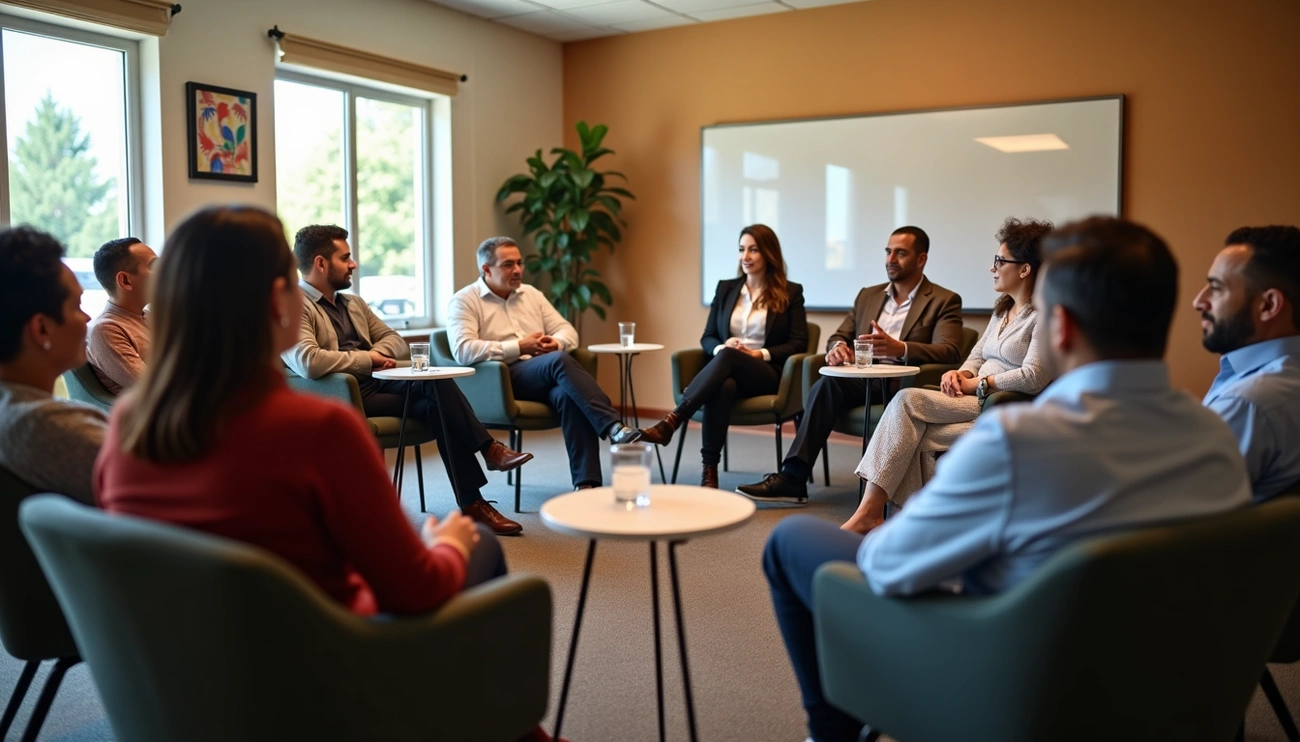
Trust remains a scarce commodity in many communities where only 30-40 percent of people trust others. This challenge becomes more complex in places like Los Angeles County with its 9.86 million residents and diversity that surpasses most American states. Service providers working in these varied communities can’t just treat trust as a nice-to-have—they need it to succeed. Local communities feel the direct impact of authority decisions, which makes trust crucial at the neighborhood level. Underserved populations often struggle to build trust due to systemic inequities and discrimination they’ve faced. Healthcare data reveals a telling pattern: patients achieve better outcomes and communicate more effectively with providers who share their race and ethnicity. The numbers tell a stark story—only 5.7% of US doctors identify as Black compared to 13.7% of the population. Organizations can build stronger trust by involving communities in meaningful ways. This approach leads to better cultural understanding and more effective policies. This piece takes a closer look at practical ways to build trust between communities and service providers. We’ll explore how to break down barriers and create lasting connections that enable everyone to participate. Building Relationships and Engagement Photo by Dylan Gillis on Unsplash. Image Source: Indeed Trust building starts with listening actively – you need to focus completely, understand, and respond meaningfully beyond just hearing words. Research shows this type of listening helps create…
Continue reading this article
Join to unlock the complete article, printable journals, and the full members-only library.