
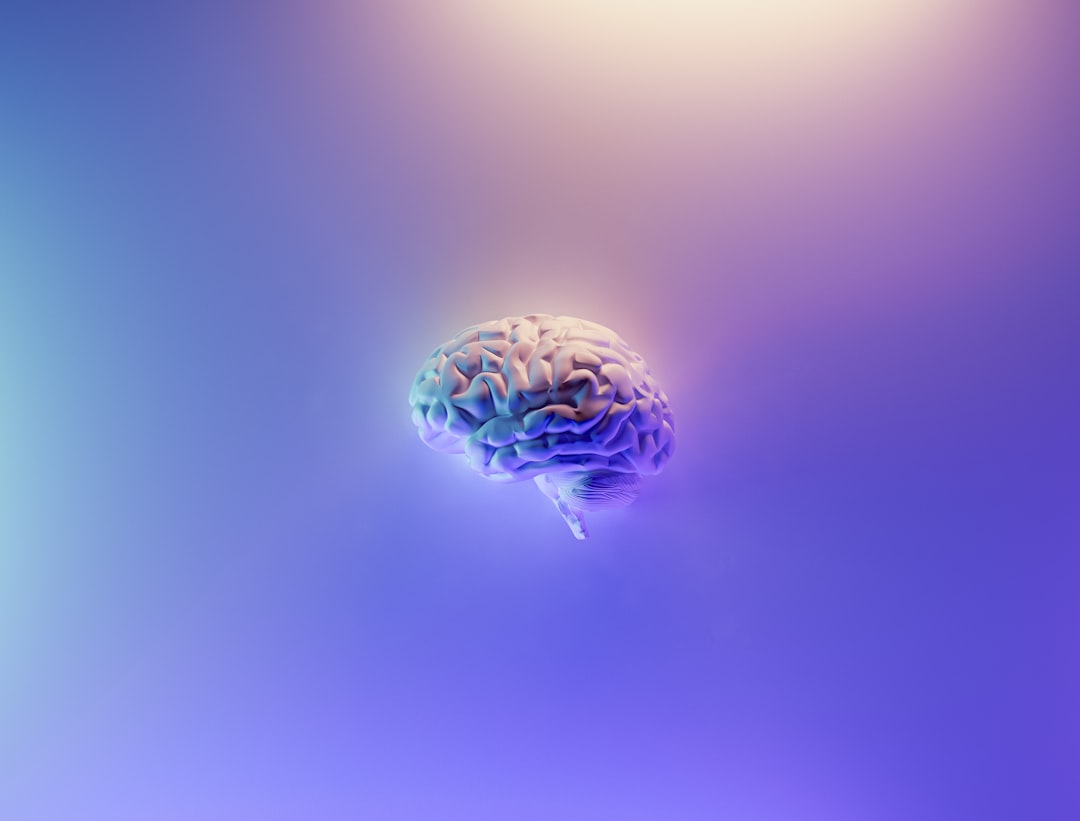
Conflict leaves deep psychological scars that go way beyond the reach and influence of the battlefield. These scars reshape our minds in ways researchers are still trying to decode. The World Health Organization’s data reveals a stark reality: traumatic events during armed conflicts lead to serious mental health issues in 10% of people, while another 10% develop behaviors that get in the way of their normal functioning. The most concerning finding shows that conflict situations cause more deaths and disabilities than any major disease.
War’s psychological ripples spread far wider than the combat zone. People who watch war coverage on TV, social media, or other media channels can experience psychological effects like those in actual conflict zones. The numbers paint a troubling picture – 22.1% of people in conflict-affected areas suffer from mental disorders such as depression, anxiety, PTSD, bipolar disorder, and schizophrenia at any time. Research shows that when people face unresolved conflicts for long periods, they often develop hyperarousal – a heightened emotional state commonly linked to post-traumatic stress disorder.
This piece will reveal how conflict rewires our brains and learn about different types of conflicts and their mental effects. You’ll discover coping strategies, factors that build resilience, and long-term outcomes based on recent research. Whether conflict has touched your life directly or you want to understand its psychological effects better, this exploration sheds light on one of humanity’s most complex challenges.
How conflict affects the brain: what we now know
Science now shows that conflict rewires our brains through stress pathways that evolved to keep us alive. Our brain notices threats during conflict and kicks two key stress response systems into action: the rapid sympathetic-adreno-medullar (SAM) axis and the slower hypothalamic-pituitary-adrenal (HPA) axis.
The amygdala acts as our brain’s alarm system and springs into action during conflict. It releases stress hormones like cortisol and adrenaline. These hormones make our heart beat faster, sharpen our focus, and send blood to vital organs. The original response boosts physical abilities, but it also hurts our memory, attention, and decision-making.
Long exposure to conflict damages specific brain regions in predictable ways:
- Hippocampus: Critical for memory formation, experiences dendritic shrinkage and spine loss
- Amygdala: Shows increased spine density after acute trauma and expansion after chronic stress
- Prefrontal Cortex: Suffers debranching and shrinkage in the medial region (responsible for self-control) while orbitofrontal neurons expand (linked to alertness)
Conflict disrupts our brain’s chemical messengers beyond structural changes. Chronic stress can cut serotonin production by half, which explains why conflict often disturbs our mood. It also throws dopamine levels off balance, which reduces motivation and pleasure while changing how we make decisions.
A faster heart rate during conflict associates with worse cognitive function. Stress makes people develop tunnel vision—they focus only on immediate concerns instead of thinking about long-term effects.
All the same, research on Vietnamese Americans who lived through war trauma reveals something important: resilience. Many participants showed remarkable strength and adaptation despite facing multiple traumas from war and displacement. This suggests that while conflict hurts neural circuitry, protective mental mechanisms can grow too, especially as we age.
These neurological changes help explain why solving conflicts becomes harder when stress levels stay high.
Different types of conflict and their mental effects
Life presents conflicts in many forms, ranging from global warfare to workplace tensions. Each type of conflict leaves its own mark on our mental health. These varying effects help explain why some conflicts hit us harder than others.
Global conflicts create widespread psychological distress through both direct and indirect exposure. Recent studies show concerning numbers: 29.9% of adolescents experience stress, 61.5% face depression, and 57% deal with anxiety when they’re exposed to war news and images. The mental health effects reach way beyond the conflict zones. People worldwide experience similar psychological effects just by watching war-related content. Young women show higher levels of these conditions than men when they see conflict scenes.
The workplace brings its own unique mental strains through ongoing interpersonal tension. People who can’t resolve their disagreements create an environment where everyone thinks about the conflict instead of their work. This leads to lower productivity and possible anxiety disorders. The psychological burden doesn’t stay at work. People take it home with them, which often results in burnout – showing up as emotional, physical, and mental exhaustion.
Relationship conflicts create what might be the deepest form of mental distress. Scientists have found that marital stress hurts our cardiovascular, immune, and endocrine systems. Yes, it is true that ongoing relationship conflicts make us more likely to get sick and develop stress-related conditions like insomnia, digestive problems, and heart disease.
Our brain handles these conflicts in different ways. The amygdala kicks into action during interpersonal conflict and releases cortisol in less than a minute. The cerebellum reacts differently – it shows less activity the more someone gets exposed to war scenes and blast injuries. Military research shows that exposure to conflict reduces the size of the anterior cingulate cortex and ventromedial prefrontal cortex – the brain areas that control our emotions.
The human brain shows amazing adaptability to different types of conflict. This flexibility, however, comes at a steep mental health price when conflicts remain unresolved.
Coping, resilience, and long-term outcomes

Image Source: Wiley Online Library
People react differently to conflict—some show amazing resilience after experiencing trauma. Their ability to recover from hardship involves specific brain mechanisms that can be improved through different methods.
Studies show how psychotherapy helps normalize brain activity in areas responsible for monitoring threats and managing emotions. Brain scans reveal that Cognitive Behavioral Therapy (CBT) helps more than 70% of anxiety patients recover completely. This therapy creates visible changes in white matter connections and improves specific neural pathways for people with schizophrenia.
A strong sense of purpose acts as a powerful shield. People with higher purpose show reduced activity in brain regions linked to conflict processing (dACC, AI, DLPFC, VLPFC) as they make health decisions. Their reduced neural conflict helps them accept beneficial health messages and take part in positive behaviors more easily.
Good conflict resolution methods reshape the brain physically. A newer study published using fMRI showed that experienced mediators had an 8% denser prefrontal cortex than average. Regular practice of these techniques builds what scientists call an “emotional bank account” that makes future disagreements easier to direct.
Social support shapes resilience through several key pathways:
- Lower conflict-related cortisol production
- Active oxytocin pathways that build positive social connections
- Better prefrontal cortex regulation
- Ready access to help during stressful times
The kind of social support makes a difference—combining self-esteem and appraisal support works best to prevent PTSD. Military personnel exposed to combat stress who used effective coping styles over decades showed better cognitive function later in life.
Resilience extends beyond individuals—community approaches that promote cohesion, clear communication, and consistent mental health resources create societies that handle future conflicts better.
Conclusion
Research shows how conflict changes our brains through complex biological processes. Stress hormones released during conflicts change vital brain regions like the hippocampus, amygdala, and prefrontal cortex. These changes affect how we think, control emotions, and make decisions. Different types of conflicts leave unique psychological marks on us. Global wars, workplace issues, or relationship problems can all affect mental health if they remain unresolved.
The brain’s ability to adapt and heal is remarkable. Cognitive Behavioral Therapy helps normalize brain activity in areas that monitor threats and regulate emotions. Having a strong sense of purpose acts as a shield against conflict-related stress. It reduces neural activity in parts of the brain that process conflict. Social support is another vital protective factor that lowers harmful cortisol and boosts beneficial oxytocin pathways.
Conflict’s effects go way beyond what we can see. Statistics reveal many serious mental health issues in populations affected by conflict. There is hope through factors that build resilience. Communities that build unity, keep communication open, and provide mental health support help their members handle future conflicts better.
Neuroscience research explains why resolving conflicts becomes harder under long-term stress. It also shows us effective ways to help. Our brains change because of conflict – that’s a fact we can’t deny. Understanding these changes gives us better ways to prevent and treat conflict-related issues. This knowledge helps break the cycles of conflict that have shaped human history.
Key Takeaways
Understanding how conflict rewires our brains reveals both the profound challenges and remarkable resilience of human psychology in the face of adversity.
• Conflict triggers measurable brain changes within seconds, shrinking memory centers while expanding fear-processing regions like the amygdala.
• Different conflict types create unique psychological footprints—workplace stress causes cognitive fatigue while relationship conflicts impact cardiovascular health.
• Social support and therapy literally reshape the brain, with CBT helping over 70% of anxiety patients recover by normalizing threat-monitoring regions.
• Resilience isn’t just individual—communities with strong cohesion and mental health resources better protect members from conflict’s neurological damage.
• Having a strong sense of purpose reduces neural conflict processing by 8%, making individuals more resistant to stress-related brain changes.
The key insight is that while conflict inevitably changes our brains, these changes aren’t permanent. Through targeted interventions, social connections, and purposeful living, we can harness our brain’s plasticity to recover and even strengthen our mental resilience against future conflicts.
FAQs
Q1. How does conflict affect the brain’s structure? Conflict triggers changes in key brain regions. The hippocampus, crucial for memory, may shrink, while the amygdala, responsible for processing fear, can expand. The prefrontal cortex, involved in decision-making, can also undergo structural changes, potentially impacting cognitive functions.
Q2. Can exposure to conflict through media have psychological effects? Yes, even indirect exposure to conflict through media can have psychological impacts. Studies show that individuals consuming war-related content via television or social media can experience stress, depression, and anxiety similar to those in conflict zones.
Q3. How does workplace conflict affect mental health? Workplace conflict can lead to decreased productivity, anxiety, and potential burnout. Unresolved disagreements may cause employees to ruminate over conflicts instead of focusing on tasks, leading to emotional, physical, and mental exhaustion that can extend beyond work hours.
Q4. What role does social support play in conflict resilience? Social support is crucial for resilience during conflict. It can reduce cortisol production, activate oxytocin pathways promoting positive social connections, strengthen the prefrontal cortex’s regulatory abilities, and provide practical resources during stressful periods.
Q5. Can therapy help in recovering from conflict-related stress? Yes, therapy can be highly effective. Cognitive Behavioral Therapy (CBT) has been shown to normalize brain activity in regions linked to threat monitoring and emotion regulation. Studies indicate that CBT helps over 70% of anxiety patients reach recovery status and can create measurable changes in brain structure.