

“Would you only drink water once a week? Then why treat self-care the same way?”
Most people treat self-care like a weekend luxury—something to “get to” when everything else is done. But mental health isn’t something you can catch up on once a week. Our emotional, psychological, and social well-being need daily maintenance, not occasional fixes.
The truth? Skipping regular self-care raises your risk of anxiety, burnout, and depression. Consistent, daily habits—like a 30-minute walk or five minutes of mindfulness—support your brain, body, and mood far more than an all-out Sunday reset.
Why Once-a-Week Self-Care Isn’t Enough
Relying on a weekly self-care day is like trying to fix a week of dehydration with one big glass of water. It may feel good temporarily, but it doesn’t meet your long-term needs.
Here’s why weekly-only self-care often falls short:
- Stress builds daily, not weekly
- Benefits fade by day 3 or 4
- “Self-care day” becomes another task
- You may end up skipping it entirely
Mental health works like physical health—you need small, steady actions, not rare marathons. Therapists call these “micro-practices”: brief daily habits that support emotional regulation, resilience, and mental clarity.
Daily stressors require daily solutions
Science shows that consistency matters more than intensity when managing mental health effectively. Quick daily practices build stronger neural pathways compared to occasional intensive sessions. Our emotional regulation systems work best with regular tune-ups rather than periodic overhauls.
These limitations make weekly self-care problematic:
- Most benefits fade by day three or four after your self-care day
- Unaddressed stress multiplies quickly
- Weekly self-care becomes another task instead of real restoration
- Trying to pack everything into your “self-care day” can add more stress
Many of us put off self-care even with the best intentions. “I’ll focus on my mental health this weekend” becomes our go-to response for daily challenges. This approach is like trying to fix a week of thirst with one glass of water.
People often think self-care needs time-consuming rituals, which stops them from practicing it daily. Effective mental health maintenance needs small, steady actions that fit into everyday life instead of isolated events.
Therapists recommend daily micro-practices over long occasional sessions. This matches how our brains naturally handle stress and build resilience. The best self-care strategy works like meeting physical needs – through regular attention instead of occasional pampering.
The 5 Pillars of Daily Self-Care
A strong self-care routine needs more than just occasional attention – you need to cultivate good mental health habits daily. Research from all disciplines points to five basic pillars that work together to support your psychological well-being.
1. Quality Sleep
Your brain uses sleep as its recovery system to restore neural pathways and reset mental processes. Adults need 7-9 hours of quality sleep each night to function at their best. Bad sleep affects your mood regulation, stress response, and decision-making abilities. A consistent sleep schedule – even on weekends – improves your sleep quality and mental health by a lot.
2. Nutritious Diet
The food you eat shapes your mental state. A balanced diet gives your body nutrients that help produce neurotransmitters and keep your brain working well. Research shows that diet affects everything in your health, including mental wellbeing. Studies suggest some diets might lower your risk of depression and anxiety.
3. Regular Physical Activity
Exercise does more than keep you fit – it’s a powerful tool for mental health. A daily 30-minute walk can lift your mood and boost your overall health. Physical activity pumps up endorphin production, cuts down cortisol levels, and helps you sleep better. This creates a positive cycle for your mental wellbeing.
4. Social Connection
Good relationships give you emotional support and help you stay resilient against mental health challenges. People with stronger social bonds tend to live longer, healthier lives. Social support also lowers your risk of depression by 63% and poor sleep quality by 52%.
5. Mindfulness Practices
Daily mindfulness activities – like meditation, gratitude journaling, or focused breathing – give your mind space to process emotions. These practices reduce stress, sharpen your awareness, and improve focus. Just five minutes of mindfulness meditation daily can cut your stress levels and make your mind clearer.
These five pillars create a foundation for lasting mental health when you make them part of your daily routine.
How to Build a Sustainable Self-Care Routine
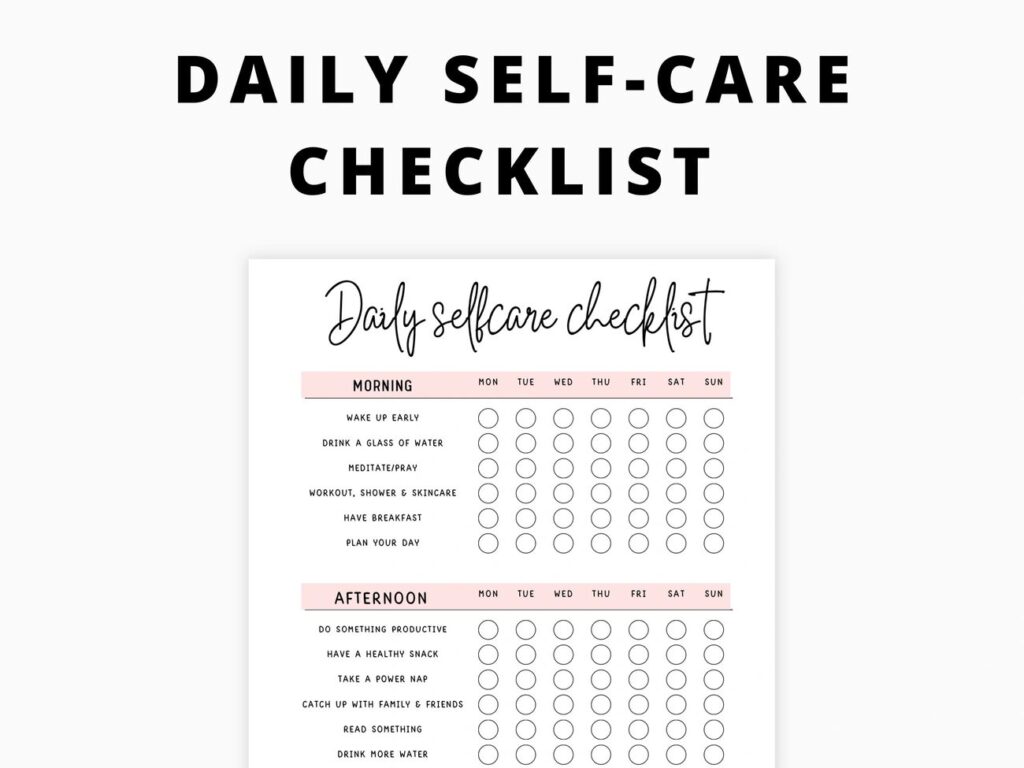
Image Source: Etsy
A good self-care routine comes from knowing what actually works for you, not what Instagram tells you to do. Your mental health needs a solid foundation built on an honest look at your current needs and challenges.
Start by assessing your needs. Think about which parts of your life need more attention—maybe you haven’t been exercising enough or connecting with friends. This self-awareness helps you set clear goals instead of following generic advice that might not fit your life.
Set specific, measurable goals. Don’t just say “I want less stress.” Make your goals concrete like “I will meditate for 10 minutes each morning this month”. This turns vague ideas into clear action steps.
Start small and build gradually. Pick one or two simple activities that naturally fit your daily schedule. Even five minutes of consistent practice can make a big difference.
Schedule it like any important appointment. Put self-care time in your calendar. Give these slots the same priority as your work meetings or doctor visits.
Implement tracking and accountability. Check in with yourself regularly to see what’s working. Sharing your goals with friends can give you extra motivation and support.
Overcome guilt barriers. Women especially tend to feel guilty when they put their needs first. Note that taking care of yourself helps you show up better for others—it’s an investment, not selfish behavior.
Build flexibility into your routine. Your life changes, and your self-care should adapt too. What helps you now might need tweaking as your life evolves.
Create micro-moments throughout your day. You don’t need huge blocks of time—quick moments of mindfulness, stretching, or deep breathing between tasks work well.
Self-care ended up being about consistency, not perfection. When these practices become non-negotiable parts of your daily rhythm, maintaining good mental health feels natural rather than something you do only in emergencies.
Conclusion
Daily attention to mental health self-care matters more than weekly indulgence. This piece shows how a once-a-week approach falls nowhere near meeting our psychological needs. Our brains and bodies both thrive on consistent care rather than occasional intervention.
Quality sleep, nutritious diet, regular physical activity, social connection, and mindfulness practices form the five pillars. These elements create a foundation for lasting mental wellness. They support each other in a positive cycle, and improvement in one area can boost the others.
Small daily actions end up bringing more substantial benefits than complex weekly rituals, though building green self-care habits might seem daunting at first. Success depends on consistency and personalization, not perfection. Each person’s ideal approach varies, and that’s perfectly fine.
People often resist daily self-care, seeing it as selfish or unnecessary. Without doubt, this view ignores how self-care makes us function better in all life aspects. We can’t pour from an empty cup, whatever our desire to help others.
Note that effective self-care adapts to your changing needs and circumstances. Today’s helpful practices might need adjustments tomorrow. A flexible and compassionate approach to self-care helps you progress toward better mental health day by day—not just weekly.
FAQs
Q1. How often should I practice mental health self-care? Mental health self-care should be practiced daily rather than just once a week. Incorporating small, consistent self-care activities into your daily routine is more effective for maintaining good mental health than occasional, intensive sessions.
Q2. What are the key components of a daily mental health self-care routine? A comprehensive daily mental health self-care routine should include quality sleep, nutritious diet, regular physical activity, social connection, and mindfulness practices. These five pillars work together to support optimal psychological well-being.
Q3. How can I build a sustainable self-care routine? Start by assessing your needs and setting specific, measurable goals. Begin with small, manageable activities and gradually build up. Schedule self-care like any important appointment and track your progress. Remember to be flexible and adjust your routine as needed.
Q4. Is it selfish to prioritize self-care? No, prioritizing self-care is not selfish. It’s an essential investment in your well-being that enables you to function better in all aspects of life and show up more effectively for others. Remember, you can’t pour from an empty cup.
Q5. What are some quick self-care practices I can incorporate into a busy day? You can incorporate brief moments of mindfulness, stretching, or deep breathing between activities. Even five-minute practices, such as a short meditation or gratitude journaling, can yield significant benefits if done consistently throughout your day.