Students who fail a course in 8th grade face 16% higher odds of not moving to high school. This fact emphasizes why the transition period matters so much to student success.

Moving from middle school to high school creates normal anxiety for students. The change means more than just a new building with unfamiliar faces. Students must become more active and independent in their studies. Good attendance plays a vital role. Each percentage point increase in attendance reduces the chances of repeating 9th grade by 5%.

Students can handle the 8th to 9th grade transition well. Schools and Student Assistance Programs (SAPs) make support systems that create positive changes by working together. Regular talks between 8th and 9th grade staff help share student information, needs, and what works best. Students then develop academic and social skills needed to succeed in high school.

This piece explores ways to help students move smoothly from middle school to high school. We focus on how SAPs can build complete support programs with schools that help students thrive during this key transition.

Building a Strong Foundation Before High School
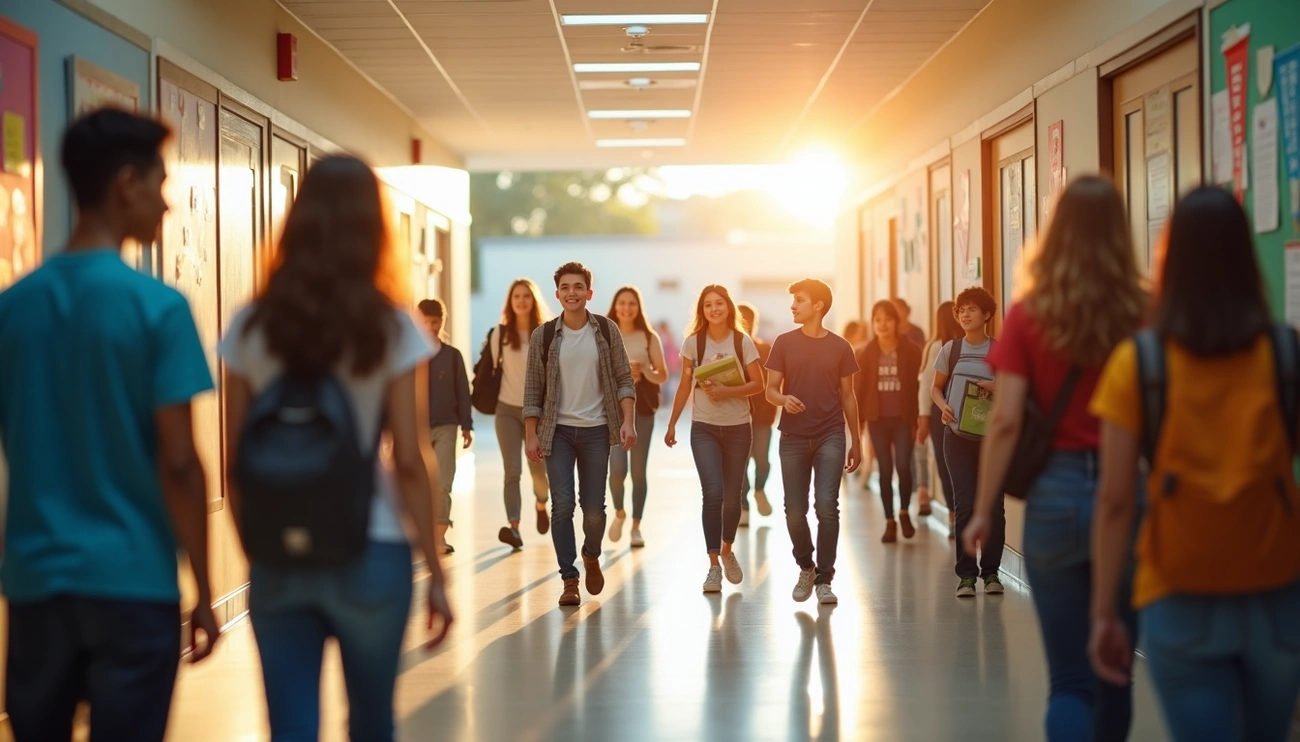
Students with backpacks and books gather by school lockers in a high school hallway.

Image Source: The TPT Blog –

Students need to start preparing for high school long before they step into 9th grade. Research reveals that a student’s performance in 9th grade plays a major role in determining graduation success. This period shapes how students see themselves as learners. New high schoolers face big changes – they get more freedom but also more responsibilities. Many students struggle when they don’t have enough support and supervision.

Success in high school boils down to the ABCs framework – Attendance, Behavior, and Course performance. Students who complete 6th grade with attendance below 80%, poor behavior marks, or failing grades in English or math have a harder time graduating. Getting just one “F” in 9th grade cuts graduation chances by 30 percentage points. Two failures drop it by over 50 percentage points.

Individual Graduation Plans (IGPs) help students stay on track. These plans start in 8th grade and are a great way to map interests, list required courses, and monitor progress toward graduation. Strong bonds with teachers, friends, and parents are vital support systems. Students who build close friendships and feel they belong face fewer academic and emotional challenges.

Parents who keep track of their children’s activities help them tackle new challenges confidently. These support networks are the foundations that help students excel throughout high school.

How SAPs and Schools Can Work Together

Logo of Delaware Department of Education for Adult Education programs for individuals aged 16 and older.

Image Source: Delaware Department of Education

Schools and Student Assistance Programs build strong support systems for students during their middle to high school trip. The staff from 8th and 9th grades regularly communicate to share valuable insights about students and what interventions work best, particularly for students who might struggle in 9th grade.

Making use of information is essential for successful teamwork. High schools need student information about incoming 9th graders early. This helps the core team develop personalized support strategies before school starts. The information also helps identify students who could benefit from summer programs that prepare them for 9th grade challenges.

The most valuable information centers on the “ABCs” – attendance, behavior, and course performance – these factors reliably predict high school success. Students with good attendance, positive behavior, and strong grades in middle school typically perform better in high school.

SAPs excel at tackling non-academic barriers to learning, such as behavioral health, family problems, and other life challenges. SAPs and schools create an environment where students feel valued and understood through coordinated planning and strong family partnerships.

This cooperative effort helps transition practices and support strategies work better for all incoming high school students. Students thrive during this crucial educational transition when schools and SAPs build mutually beneficial alliances.

Programs and Policies That Support Transitions
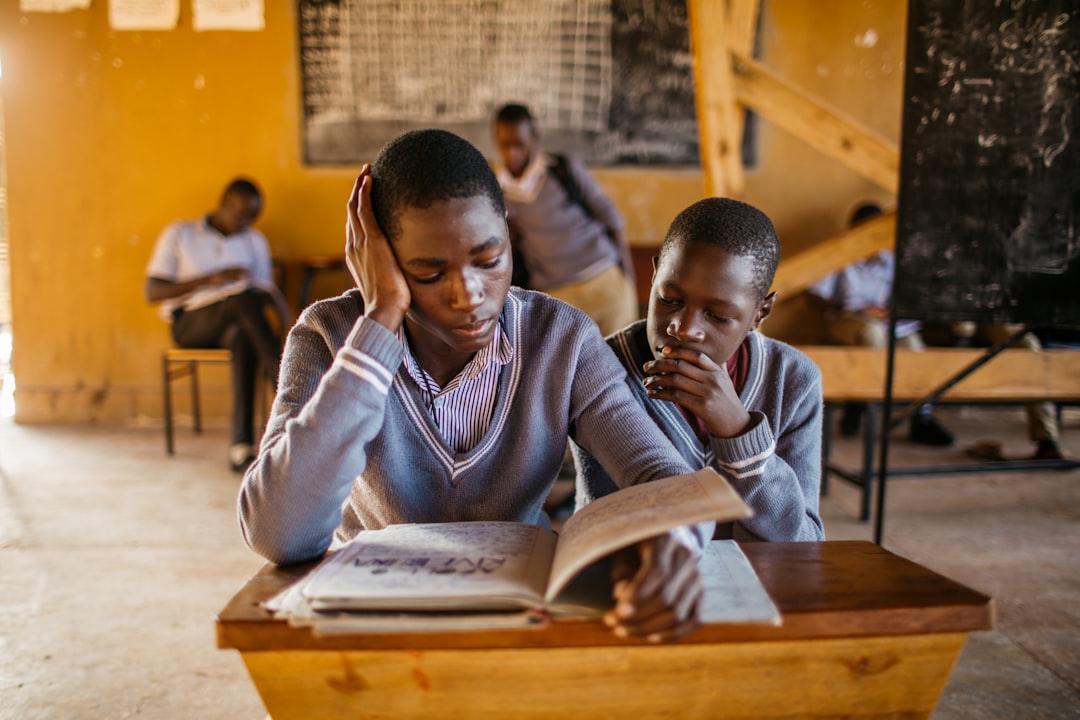
High school students collaborate on a project using rulers and measuring tools in a classroom setting.

Image Source: Center on Reinventing Public Education

Research shows several strategies that work well to support students moving from middle school to high school. Ninth Grade Academies stand out as one of the best approaches. These self-contained learning communities work like a “school within a school” and create tailored environments where freshmen feel connected and supported.

Summer bridge programs help smooth this transition by equipping students with academic skills and social resources they need to succeed. These programs run for 2-4 weeks and introduce students to college life, academic advising, and key skills like time management.

Early Warning Indicator and Monitoring Systems (EWIMS) serve as a valuable tool. This analytical approach helps schools identify struggling students, connect them with the right support, and track their progress. A successful EWIMS program needs:

  • A team from different backgrounds with authority to make decisions
  • Training on the seven-step process
  • A data tool to track research-based indicators
  • Knowledge of student support options and interventions

Advisory systems play a vital role by helping students build relationships, think about their learning, and plan for their future. These systems act as the first line of support within a multi-tiered framework.

Research shows high-dosage tutoring can double or triple student learning in just one academic year. Students learn better when tutoring happens during school hours instead of after school.

Conclusion

The transition from middle school to high school is a significant moment in a student’s educational experience. This piece discusses how Student Assistance Programs (SAPs) can substantially affect student success during this critical phase. Most importantly, the data shows that early intervention makes a big difference—each percentage point in attendance matters, and every course passed in 8th and 9th grade dramatically improves graduation odds.

Successful transitions require a multifaceted approach. Building a strong foundation before high school through the ABCs framework (Attendance, Behavior, and Course performance) provides students with essential skills and confidence. Individual Graduation Plans created in 8th grade help map out a clear path forward. The partnership between SAPs and schools creates a safety net that catches struggling students before they fall through the cracks.

Effective programs like Ninth Grade Academies, summer bridge initiatives, and high-dosage tutoring have proven their worth time and again. These structured supports address both academic readiness and social-emotional needs that often determine whether students thrive or merely survive their freshman year.

Keep in mind that successful transitions don’t happen by chance. They result from collaboration between middle and high schools, thoughtful data sharing, and dedicated professionals who understand the unique challenges students face. Though the statistics can seem daunting, they also offer hope—each intervention reduces risk and increases the likelihood of success.

The middle-to-high school transition will always bring challenges, yet with proper planning and support systems in place, students can face this change with confidence. SAPs play a vital role in this experience, addressing non-academic barriers while schools focus on academic preparation. Together, they create environments where all students have the chance to thrive during this significant educational milestone.



Students who fail a course in 8th grade face 16% higher odds of not moving to high school. This fact emphasizes why the transition period matters so much to student success.

Moving from middle school to high school creates normal anxiety for students. The change means more than just a new building with unfamiliar faces. Students must become more active and independent in their studies. Good attendance plays a vital role. Each percentage point increase in attendance reduces the chances of repeating 9th grade by 5%.

Students can handle the 8th to 9th grade transition well. Schools and Student Assistance Programs (SAPs) make support systems that create positive changes by working together. Regular talks between 8th and 9th grade staff help share student information, needs, and what works best. Students then develop academic and social skills needed to succeed in high school.

This piece explores ways to help students move smoothly from middle school to high school. We focus on how SAPs can build complete support programs with schools that help students thrive during this key transition.

Building a Strong Foundation Before High School

Students with backpacks and books gather by school lockers in a high school hallway.

Image Source: The TPT Blog –

Students need to start preparing for high school long before they step into 9th grade. Research reveals that a student’s performance in 9th grade plays a major role in determining graduation success. This period shapes how students see themselves as learners. New high schoolers face big changes – they get more freedom but also more responsibilities. Many students struggle when they don’t have enough support and supervision.

Success in high school boils down to the ABCs framework – Attendance, Behavior, and Course performance. Students who complete 6th grade with attendance below 80%, poor behavior marks, or failing grades in English or math have a harder time graduating. Getting just one “F” in 9th grade cuts graduation chances by 30 percentage points. Two failures drop it by over 50 percentage points.

Individual Graduation Plans (IGPs) help students stay on track. These plans start in 8th grade and are a great way to map interests, list required courses, and monitor progress toward graduation. Strong bonds with teachers, friends, and parents are vital support systems. Students who build close friendships and feel they belong face fewer academic and emotional challenges.

Parents who keep track of their children’s activities help them tackle new challenges confidently. These support networks are the foundations that help students excel throughout high school.

How SAPs and Schools Can Work Together

Logo of Delaware Department of Education for Adult Education programs for individuals aged 16 and older.

Image Source: Delaware Department of Education

Schools and Student Assistance Programs build strong support systems for students during their middle to high school trip. The staff from 8th and 9th grades regularly communicate to share valuable insights about students and what interventions work best, particularly for students who might struggle in 9th grade.

Making use of information is essential for successful teamwork. High schools need student information about incoming 9th graders early. This helps the core team develop personalized support strategies before school starts. The information also helps identify students who could benefit from summer programs that prepare them for 9th grade challenges.

The most valuable information centers on the “ABCs” – attendance, behavior, and course performance – these factors reliably predict high school success. Students with good attendance, positive behavior, and strong grades in middle school typically perform better in high school.

SAPs excel at tackling non-academic barriers to learning, such as behavioral health, family problems, and other life challenges. SAPs and schools create an environment where students feel valued and understood through coordinated planning and strong family partnerships.

This cooperative effort helps transition practices and support strategies work better for all incoming high school students. Students thrive during this crucial educational transition when schools and SAPs build mutually beneficial alliances.

Programs and Policies That Support Transitions

High school students collaborate on a project using rulers and measuring tools in a classroom setting.

Image Source: Center on Reinventing Public Education

Research shows several strategies that work well to support students moving from middle school to high school. Ninth Grade Academies stand out as one of the best approaches. These self-contained learning communities work like a “school within a school” and create tailored environments where freshmen feel connected and supported.

Summer bridge programs help smooth this transition by equipping students with academic skills and social resources they need to succeed. These programs run for 2-4 weeks and introduce students to college life, academic advising, and key skills like time management.

Early Warning Indicator and Monitoring Systems (EWIMS) serve as a valuable tool. This analytical approach helps schools identify struggling students, connect them with the right support, and track their progress. A successful EWIMS program needs:

Advisory systems play a vital role by helping students build relationships, think about their learning, and plan for their future. These systems act as the first line of support within a multi-tiered framework.

Research shows high-dosage tutoring can double or triple student learning in just one academic year. Students learn better when tutoring happens during school hours instead of after school.

Conclusion

The transition from middle school to high school is a significant moment in a student’s educational experience. This piece discusses how Student Assistance Programs (SAPs) can substantially affect student success during this critical phase. Most importantly, the data shows that early intervention makes a big difference—each percentage point in attendance matters, and every course passed in 8th and 9th grade dramatically improves graduation odds.

Successful transitions require a multifaceted approach. Building a strong foundation before high school through the ABCs framework (Attendance, Behavior, and Course performance) provides students with essential skills and confidence. Individual Graduation Plans created in 8th grade help map out a clear path forward. The partnership between SAPs and schools creates a safety net that catches struggling students before they fall through the cracks.

Effective programs like Ninth Grade Academies, summer bridge initiatives, and high-dosage tutoring have proven their worth time and again. These structured supports address both academic readiness and social-emotional needs that often determine whether students thrive or merely survive their freshman year.

Keep in mind that successful transitions don’t happen by chance. They result from collaboration between middle and high schools, thoughtful data sharing, and dedicated professionals who understand the unique challenges students face. Though the statistics can seem daunting, they also offer hope—each intervention reduces risk and increases the likelihood of success.

The middle-to-high school transition will always bring challenges, yet with proper planning and support systems in place, students can face this change with confidence. SAPs play a vital role in this experience, addressing non-academic barriers while schools focus on academic preparation. Together, they create environments where all students have the chance to thrive during this significant educational milestone.