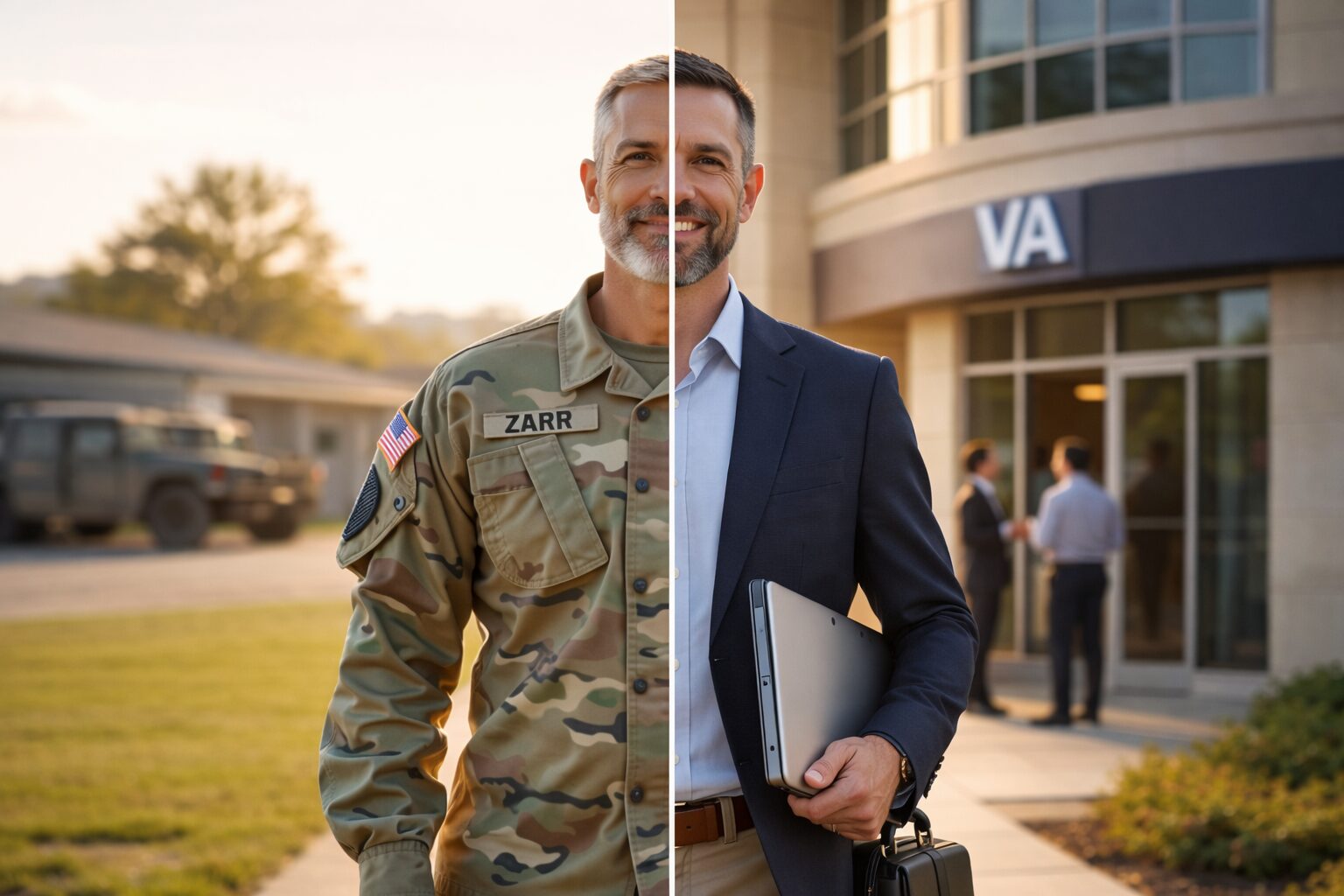
Veterans face many challenges as they leave military service and return to civilian life. Each year, thousands of veterans join the civilian workforce, ready to apply their skills, discipline, and leadership to new opportunities. The move from structured military environments to civilian settings often leaves them feeling overwhelmed and disoriented.

Service members who complete their military duties must deal with major adjustments that go way beyond finding a new job. This transition can affect their mental health and lead to feelings of depression and anxiety. Support programs for veterans understand that these changes affect both the veterans and their families who adapt to having their loved ones home permanently. This piece explores how Veterans Assistance Programs (VAPs) provide resources that help veterans rebuild daily routines and merge into civilian society.

Understanding the Transition from Military to Civilian Life

Man in civilian clothes looks in a bathroom mirror reflecting him in military uniform, symbolizing transition to civilian life.

Image Source: Empire Resume

“Adapt, improvise, and overcome.” — U.S. Marine CorpsBranch of the United States Armed Forces

About 250,000 service members transition from military to civilian life each year. This change reshapes their entire world – it’s not just about finding a new job. Research reveals that 27% to 44% of veterans find this transition challenging.

Life after service hits post-9/11 veterans harder than their predecessors. Nearly half (48%) of post-9/11 veterans describe their transition as somewhat or very difficult. The number drops to 21% for pre-9/11 veterans.

Military life’s well-laid-out environment gives service members clear direction and purpose that vanishes after discharge. The civilian world feels chaotic to many veterans who miss their former structured environment.

Veterans face more than just practical hurdles like housing and jobs – they grapple with deep identity questions. Military service shapes a person’s core identity through intense training. The change from “soldier” to “civilian” often leaves veterans feeling lost and disconnected.

The military community’s absence creates an emotional void. Veterans with combat experience have it tougher – 46% report difficult transitions compared to 18% of those who never saw combat. Civilian relationships rarely match the deep bonds formed during service, which leads many veterans to feel alone.

How VAPs Support Rebuilding Daily Routines

VAPs provide a complete support system that helps veterans adapt as they move from military structure to civilian life. Creating new routines is vital for veterans to successfully reintegrate into civilian society.

Mental health support is the life-blood of many VAPs. At least 5.2 million veterans reported behavioral health conditions in 2020. This makes access to counseling a vital part of their care. VA Mental Health Services delivers psychiatric care, therapy, and specialized PTSD programs. These services are essential since PTSD affects nearly 7% of veterans during their lifetime. Vet Centers also provide individual counseling, family support groups, and trauma counseling that focuses on readjustment challenges.

Veterans need stable employment routines to succeed. Programs like Veteran Readiness and Employment (VR&E) help with job training, education, resume building, and job search skills. The HVRP program takes an additional step by helping veterans develop Individualized Employment Plans that break their goals into daily achievable tasks.

Team RWB helps veterans build community connections through physical activities and social events. The Mission Continues enables veterans through volunteer work that creates purpose-driven routines.

Family support plays a significant role in veteran transition. Statistics show 55.2% of service members are married and 42.8% have children. Research shows that veterans with strong family support adapt better to civilian life.

Popular Programs for Transitioning Veterans

Title slide for Military Transition Assistance Program Overview with American flag background and program logo

Image Source: Military Connection

“On this Veterans Day, let us remember the service of our Veterans, and let us renew our national promise to fulfill our sacred obligations to them and their families.” — Dan LipinskiU.S. Congressman and advocate for veteran support

Military personnel now have several vital programs to help them transition into civilian life. The Transition Assistance Program (TAP) is a mandatory three-day course that multiple government departments lead. TAP builds a foundation with preseparation preparation that covers financial planning, resume development, job search strategies, and VA benefits. Many veterans need more specialized support beyond this basic training.

Troops Into Transportation has become a complete initiative with proven results. This approved SkillBridge program has operated for 12 years and trains approximately 2,500 veterans annually. The program’s 13+ recruiting and training campuses in the US, Japan, and Europe have placed 11,000 military veterans and spouses into trucking careers.

The Catalyst Program is a chance to experience an eight-week program built for elite military leaders. Participants meet three evenings weekly in virtual classrooms with experienced educators and executive mentors. This precision-engineered launchpad connects veterans with high-level peers, mentors, and civilian leaders who recognize their unique strengths.

The USO Transition Program gives free one-on-one support through Transition Specialists who create customized Action Plans that match individual career goals. Service members and spouses completed more than 10,000 action plans in 2019 alone. These programs create clear paths for veterans to rebuild their routines and find rewarding civilian careers.

Conclusion

Military service members face one of life’s biggest changes when they return to civilian life. The loss of structure, purpose, and military community creates major challenges for a quarter-million service members who return each year. These veterans have valuable skills and experiences, yet many still need proper support systems to succeed.

Veterans Assistance Programs play a vital role by helping rebuild daily routines that bring stability in this time of change. These complete support systems help with mental health needs, job preparation, and community reintegration at the same time. Programs like Transition Assistance Program (TAP) give basic knowledge, while specialized initiatives such as Troops Into Transportation and The Catalyst Program create specific career paths.

Family support plays a key role in successful transitions. Most veterans’ families must adjust with them, which makes programs with family support especially valuable. Team RWB and The Mission Continues help veterans build new social connections and purpose-driven activities to curb isolation.

Numbers tell the story clearly – almost half of post-9/11 veterans say they had tough transitions, especially those with combat experience. This shows why complete assistance programs must keep evolving to meet veterans’ changing needs. Our society gains from veterans’ skills, discipline, and leadership when they combine smoothly into civilian workplaces and communities.

Veterans don’t need to face civilian life alone. These well-laid-out support programs help them rebuild routines, find purpose, and direct this major life change with dignity and confidence.

Key Takeaways

Veterans face significant challenges transitioning from military to civilian life, but Veterans Assistance Programs (VAPs) provide essential support to help rebuild daily routines and achieve successful reintegration.

• Nearly half (48%) of post-9/11 veterans report difficult transitions, with combat veterans struggling most at 46% versus 18% for non-combat veterans.

• VAPs address critical needs through mental health services, employment training, housing assistance, and family support to rebuild structured civilian routines.

• Mandatory Transition Assistance Program (TAP) provides foundation training, while specialized programs like Troops Into Transportation have successfully placed 11,000 veterans in careers.

• Family involvement proves crucial since 55% of service members are married and 42% have children who must also adapt to civilian life transitions.

• Programs like Team RWB and The Mission Continues combat veteran isolation by creating new social connections and purpose-driven community activities.

The transition from military structure to civilian freedom requires comprehensive support, but with proper assistance programs, veterans can successfully leverage their valuable skills and leadership experience in civilian careers and communities.

FAQs

Q1. What support does the VA offer for veterans transitioning to civilian life? The VA provides comprehensive assistance through various programs, including mental health services, career planning, job placement, housing support, and health services. The Transition Assistance Program (TAP) is a mandatory course that covers financial planning, resume development, job search strategies, and VA benefits information.

Q2. How do Veterans Assistance Programs (VAPs) help rebuild daily routines? VAPs offer structured support to help veterans establish new routines in civilian life. This includes mental health counseling, employment services, community reintegration activities, and family support. Programs like Team RWB and The Mission Continues help veterans create purpose-driven routines through physical activities, social gatherings, and volunteerism.

Q3. What specialized career programs are available for transitioning veterans? Several specialized programs cater to veterans’ career needs. Troops Into Transportation is a comprehensive initiative that trains and places veterans in trucking careers. The Catalyst Program offers an eight-week experience for elite military leaders, connecting them with high-level peers and mentors. The USO Transition Program provides personalized action plans tailored to individual career goals.

Q4. How common are difficult transitions for veterans, and who struggles the most? Studies show that between 27% and 44% of veterans report difficult transitions. Post-9/11 veterans struggle significantly more, with 48% reporting somewhat or very difficult transitions compared to 21% of pre-9/11 veterans. Combat veterans face the most challenges, with 46% reporting difficult transitions compared to 18% of those without combat experience.

Q5. What role does family support play in a veteran’s transition to civilian life? Family support is crucial for successful transitions. Research confirms that veterans with family support typically experience more successful transitions to civilian life. Many VAPs incorporate family involvement in their programs, recognizing that 55.2% of service members are married and 42.8% have children who must also adapt to the changes in civilian life.


Veterans face many challenges as they leave military service and return to civilian life. Each year, thousands of veterans join the civilian workforce, ready to apply their skills, discipline, and leadership to new opportunities. The move from structured military environments to civilian settings often leaves them feeling overwhelmed and disoriented.

Service members who complete their military duties must deal with major adjustments that go way beyond finding a new job. This transition can affect their mental health and lead to feelings of depression and anxiety. Support programs for veterans understand that these changes affect both the veterans and their families who adapt to having their loved ones home permanently. This piece explores how Veterans Assistance Programs (VAPs) provide resources that help veterans rebuild daily routines and merge into civilian society.

Understanding the Transition from Military to Civilian Life

Man in civilian clothes looks in a bathroom mirror reflecting him in military uniform, symbolizing transition to civilian life.

Image Source: Empire Resume

“Adapt, improvise, and overcome.” — U.S. Marine CorpsBranch of the United States Armed Forces

About 250,000 service members transition from military to civilian life each year. This change reshapes their entire world – it’s not just about finding a new job. Research reveals that 27% to 44% of veterans find this transition challenging.

Life after service hits post-9/11 veterans harder than their predecessors. Nearly half (48%) of post-9/11 veterans describe their transition as somewhat or very difficult. The number drops to 21% for pre-9/11 veterans.

Military life’s well-laid-out environment gives service members clear direction and purpose that vanishes after discharge. The civilian world feels chaotic to many veterans who miss their former structured environment.

Veterans face more than just practical hurdles like housing and jobs – they grapple with deep identity questions. Military service shapes a person’s core identity through intense training. The change from “soldier” to “civilian” often leaves veterans feeling lost and disconnected.

The military community’s absence creates an emotional void. Veterans with combat experience have it tougher – 46% report difficult transitions compared to 18% of those who never saw combat. Civilian relationships rarely match the deep bonds formed during service, which leads many veterans to feel alone.

How VAPs Support Rebuilding Daily Routines

VAPs provide a complete support system that helps veterans adapt as they move from military structure to civilian life. Creating new routines is vital for veterans to successfully reintegrate into civilian society.

Mental health support is the life-blood of many VAPs. At least 5.2 million veterans reported behavioral health conditions in 2020. This makes access to counseling a vital part of their care. VA Mental Health Services delivers psychiatric care, therapy, and specialized PTSD programs. These services are essential since PTSD affects nearly 7% of veterans during their lifetime. Vet Centers also provide individual counseling, family support groups, and trauma counseling that focuses on readjustment challenges.

Veterans need stable employment routines to succeed. Programs like Veteran Readiness and Employment (VR&E) help with job training, education, resume building, and job search skills. The HVRP program takes an additional step by helping veterans develop Individualized Employment Plans that break their goals into daily achievable tasks.

Team RWB helps veterans build community connections through physical activities and social events. The Mission Continues enables veterans through volunteer work that creates purpose-driven routines.

Family support plays a significant role in veteran transition. Statistics show 55.2% of service members are married and 42.8% have children. Research shows that veterans with strong family support adapt better to civilian life.

Popular Programs for Transitioning Veterans

Title slide for Military Transition Assistance Program Overview with American flag background and program logo

Image Source: Military Connection

“On this Veterans Day, let us remember the service of our Veterans, and let us renew our national promise to fulfill our sacred obligations to them and their families.” — Dan LipinskiU.S. Congressman and advocate for veteran support

Military personnel now have several vital programs to help them transition into civilian life. The Transition Assistance Program (TAP) is a mandatory three-day course that multiple government departments lead. TAP builds a foundation with preseparation preparation that covers financial planning, resume development, job search strategies, and VA benefits. Many veterans need more specialized support beyond this basic training.

Troops Into Transportation has become a complete initiative with proven results. This approved SkillBridge program has operated for 12 years and trains approximately 2,500 veterans annually. The program’s 13+ recruiting and training campuses in the US, Japan, and Europe have placed 11,000 military veterans and spouses into trucking careers.

The Catalyst Program is a chance to experience an eight-week program built for elite military leaders. Participants meet three evenings weekly in virtual classrooms with experienced educators and executive mentors. This precision-engineered launchpad connects veterans with high-level peers, mentors, and civilian leaders who recognize their unique strengths.

The USO Transition Program gives free one-on-one support through Transition Specialists who create customized Action Plans that match individual career goals. Service members and spouses completed more than 10,000 action plans in 2019 alone. These programs create clear paths for veterans to rebuild their routines and find rewarding civilian careers.

Conclusion

Military service members face one of life’s biggest changes when they return to civilian life. The loss of structure, purpose, and military community creates major challenges for a quarter-million service members who return each year. These veterans have valuable skills and experiences, yet many still need proper support systems to succeed.

Veterans Assistance Programs play a vital role by helping rebuild daily routines that bring stability in this time of change. These complete support systems help with mental health needs, job preparation, and community reintegration at the same time. Programs like Transition Assistance Program (TAP) give basic knowledge, while specialized initiatives such as Troops Into Transportation and The Catalyst Program create specific career paths.

Family support plays a key role in successful transitions. Most veterans’ families must adjust with them, which makes programs with family support especially valuable. Team RWB and The Mission Continues help veterans build new social connections and purpose-driven activities to curb isolation.

Numbers tell the story clearly – almost half of post-9/11 veterans say they had tough transitions, especially those with combat experience. This shows why complete assistance programs must keep evolving to meet veterans’ changing needs. Our society gains from veterans’ skills, discipline, and leadership when they combine smoothly into civilian workplaces and communities.

Veterans don’t need to face civilian life alone. These well-laid-out support programs help them rebuild routines, find purpose, and direct this major life change with dignity and confidence.

Key Takeaways

Veterans face significant challenges transitioning from military to civilian life, but Veterans Assistance Programs (VAPs) provide essential support to help rebuild daily routines and achieve successful reintegration.

• Nearly half (48%) of post-9/11 veterans report difficult transitions, with combat veterans struggling most at 46% versus 18% for non-combat veterans.

• VAPs address critical needs through mental health services, employment training, housing assistance, and family support to rebuild structured civilian routines.

• Mandatory Transition Assistance Program (TAP) provides foundation training, while specialized programs like Troops Into Transportation have successfully placed 11,000 veterans in careers.

• Family involvement proves crucial since 55% of service members are married and 42% have children who must also adapt to civilian life transitions.

• Programs like Team RWB and The Mission Continues combat veteran isolation by creating new social connections and purpose-driven community activities.

The transition from military structure to civilian freedom requires comprehensive support, but with proper assistance programs, veterans can successfully leverage their valuable skills and leadership experience in civilian careers and communities.

FAQs

Q1. What support does the VA offer for veterans transitioning to civilian life? The VA provides comprehensive assistance through various programs, including mental health services, career planning, job placement, housing support, and health services. The Transition Assistance Program (TAP) is a mandatory course that covers financial planning, resume development, job search strategies, and VA benefits information.

Q2. How do Veterans Assistance Programs (VAPs) help rebuild daily routines? VAPs offer structured support to help veterans establish new routines in civilian life. This includes mental health counseling, employment services, community reintegration activities, and family support. Programs like Team RWB and The Mission Continues help veterans create purpose-driven routines through physical activities, social gatherings, and volunteerism.

Q3. What specialized career programs are available for transitioning veterans? Several specialized programs cater to veterans’ career needs. Troops Into Transportation is a comprehensive initiative that trains and places veterans in trucking careers. The Catalyst Program offers an eight-week experience for elite military leaders, connecting them with high-level peers and mentors. The USO Transition Program provides personalized action plans tailored to individual career goals.

Q4. How common are difficult transitions for veterans, and who struggles the most? Studies show that between 27% and 44% of veterans report difficult transitions. Post-9/11 veterans struggle significantly more, with 48% reporting somewhat or very difficult transitions compared to 21% of pre-9/11 veterans. Combat veterans face the most challenges, with 46% reporting difficult transitions compared to 18% of those without combat experience.

Q5. What role does family support play in a veteran’s transition to civilian life? Family support is crucial for successful transitions. Research confirms that veterans with family support typically experience more successful transitions to civilian life. Many VAPs incorporate family involvement in their programs, recognizing that 55.2% of service members are married and 42.8% have children who must also adapt to the changes in civilian life.