
Mental health challenges affect one in five American adults yearly. More than 90% of workers face mental health issues before they turn 30. This makes employee assistance programs a vital resource for businesses of every size.
These sobering numbers show why EAPs have become indispensable workplace tools. Companies that use employee assistance programs see a 25% drop in absenteeism and significant returns on their investment. The programs’ effectiveness is clear – over 80% of employees who get mental health support through EAPs report better work satisfaction and performance.
This piece explores how EAPs can build stronger company culture, boost productivity, and create an environment where employees thrive. You’ll find practical steps to implement these programs and maximize their positive effect on your organization’s culture.
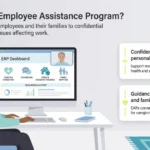
What is an Employee Assistance Program (EAP)?

Image Source: OpenUp
“I used to believe that culture was ‘soft,’ and had little bearing on our bottom line. What I believe today is that our culture has everything to do with our bottom line, now and into the future.” — Vern Dosch, Former CEO of National Information Solutions Cooperative (NISC)
Employee Assistance Programs (EAPs) are voluntary workplace benefits that help employees who face personal or work-related challenges. These programs started in the 1940s [link_1] to help workers with alcohol problems. Today, they have grown into something much bigger and more helpful.
Modern EAPs help workers deal with many life challenges. They support mental health needs, substance abuse, money problems, legal issues, family concerns, grief, and workplace conflicts. Employees can get help anytime through phone calls, face-to-face meetings, or online visits.
These programs give employees access to short-term counseling, assessments, referrals, and follow-up care at no cost. The numbers show their popularity – all but one of these UK employers now provide some type of EAP. Companies understand these programs are a great way to support their workforce’s wellbeing.
Confidentiality is the life-blood of successful EAPs. Information stays private except when laws require disclosure or safety issues come up. This privacy protection helps employees use the service without worrying about workplace consequences.
Big tech companies like Microsoft, Google, and Amazon have created strong EAP programs. They include counseling sessions, mental health coaching, self-guided programs, and special support services. These companies show how industry leaders make employee wellbeing a priority through complete assistance programs.
How EAPs Strengthen Company Culture

Image Source: AIHR
“Companies with positive cultures that promote trust, respect, collaboration and professional development for their employees are often able to recruit and retain the top talent.” — Libby Gill, Executive coach, leadership expert, and author
EAPs build stronger company culture and create environments where employees feel valued and supported. Open communication stands at the heart of this cultural effect. Companies that blend EAP counseling services help normalize mental health discussions and reduce stigma.
EAPs’ confidential nature creates psychological safety—a key element for cultural health. Employees who trust their counselor discussions will stay private are more likely to seek help without judgment fears. This sense of safety then spreads beyond counseling into everyday workplace interactions.
EAPs also boost employee engagement substantially. Studies reveal that supported employees are 4.6 times more likely to deliver their best work. Better engagement leads to stronger teamwork and positive workplace relationships. Supported employees connect more positively with their colleagues.
Companies with high-trust cultures see about 50% lower turnover rates compared to their competitors. Investment in employee wellbeing through complete EAP programs strengthens loyalty and creates cultures where mental health becomes a priority.
EAPs also boost diversity and inclusion initiatives. These programs help create more inclusive workplaces through culturally sensitive counseling and equal access to support services. Every employee feels valued in such an environment.
Implementing EAPs for Cultural Impact

Image Source: AIHR
The right EAP implementation needs careful planning and long-term dedication. Your first step should be to assess what your workforce needs through surveys or focus groups that identify common challenges. The next step is to choose EAP providers that line up with your organization’s goals and budget.
Most companies face the biggest problem of low utilization, as 6-10% of employees typically use available services. Complete promotion becomes crucial to overcome this challenge. Organizations saw utilization rates climb by 30% when leadership showed clear support for their EAPs.
Manager training works effectively, as companies where leaders actively supported mental health resources saw a 25% increase in EAP usage. Managers should know how to spot signs of distress and make proper referrals.
Regular evaluation helps create lasting effects. Organizations should measure improvements in psychological health and workplace climate instead of focusing only on utilization metrics. Companies that connected their EAPs to broader wellness programs saw a 40% increase in usage.
Note that confidentiality is crucial—EAPs cannot share information without signed consent, except for mandatory referrals. Your implementation strategy must highlight privacy protection to gain employee trust.
Conclusion
EAPs are way beyond just another workplace benefit. These programs serve as powerful culture-building tools that show a genuine commitment to employee wellbeing. These programs have evolved from their original focus on alcoholism to complete support systems. They now address mental health, financial stress, and workplace conflicts.
Organizations that make EAPs a priority see advantages that go beyond helping individual employees. The positive effects spread throughout companies and create environments where open communication thrives. A culture of psychological safety becomes the norm. The numbers tell the real story – companies see lower absenteeism, less turnover, and better work satisfaction. These improvements lead to stronger company performance.
A soaring win with EAP implementation needs careful planning, regular promotion, and clear support from leadership. Even the best-designed programs can have low usage rates without proper communication and management backing. Companies should treat EAP implementation as an ongoing journey rather than a single project.
The workplace keeps changing, and EAPs will take an increasingly central role in building resilient company cultures. Employees who feel supported through life’s challenges bring their best work each day. This investment in people creates stronger teams and better collaboration. Both people and businesses grow together in these organizations.
Key Takeaways
Employee Assistance Programs are powerful culture-building tools that go beyond individual support to transform entire workplace environments through trust, communication, and psychological safety.
• EAPs deliver measurable business results: Organizations see 25% reduction in absenteeism, 50% lower turnover rates, and 4.6x higher employee performance when workers feel supported.
• Mental health support normalizes workplace conversations: EAPs reduce stigma around seeking help and create psychological safety that extends beyond counseling into broader team interactions.
• Implementation success requires active leadership endorsement: Companies with visible management support see 30% higher utilization rates and 25% increased usage when leaders champion mental health resources.
• Strategic promotion overcomes low utilization barriers: Only 6-10% of employees typically use EAPs, but comprehensive communication and manager training can significantly boost engagement and program effectiveness.
The key to EAP success lies in treating these programs as ongoing cultural investments rather than one-time benefits. When employees feel genuinely supported through life’s challenges, they bring their best selves to work, creating stronger teams and more resilient organizations that thrive together.
FAQs
Q1. What are the main benefits of implementing an Employee Assistance Program (EAP)? EAPs offer numerous benefits, including improved employee productivity, reduced absenteeism, increased employee engagement, and lower turnover rates. They also help create a supportive work environment by promoting mental wellness and fostering open communication.
Q2. How do EAPs contribute to building a stronger company culture? EAPs strengthen company culture by promoting trust, encouraging open communication, and creating psychological safety. They help normalize discussions about mental health, reduce stigma around seeking help, and support diversity and inclusion efforts, all of which contribute to a more positive and supportive workplace environment.
Q3. Are EAP services confidential? Yes, confidentiality is a cornerstone of EAPs. Information shared during EAP sessions remains private, with exceptions only in rare circumstances required by law or when there are safety concerns. This confidentiality encourages employees to seek help without fear of workplace repercussions.
Q4. How can companies increase EAP utilization rates? To boost EAP utilization, companies should actively promote the program, provide comprehensive communication about available services, and ensure visible support from leadership. Training managers to recognize signs of distress and make appropriate referrals can also significantly increase usage rates.
Q5. What types of services are typically offered through an EAP? EAPs generally offer a range of services including short-term counseling, mental health support, substance abuse treatment, financial advice, legal assistance, and help with family problems or workplace conflicts. Many EAPs provide 24/7 access through multiple channels such as phone, in-person meetings, or virtual care visits.