
EAP program benefits are proving transformative for autism support, with data showing autistic employees achieving 48 to 140 percent higher productivity than their neurotypical peers after six months. Autism prevalence has risen from one in 150 children in 2000 to one in 54 by 2016. Yet many organizations don’t deal very well with providing adequate workplace support. Employee assistance program benefits extend way beyond traditional counseling and offer specialized resources that address the unique needs of autistic employees and families navigating these challenges. This piece explores what EAP services provide for autism support, the core benefits available through an EAP program for employees, and practical implementation strategies that deliver measurable results for both employers and families.
What is an EAP Program and How Does it Support Autism
Image Source: DLA
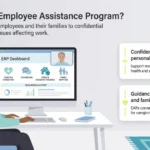
Employee Assistance Program (EAP) stands for a confidential workplace service that offers assessment, short-term counseling, referral, and support to employees dealing with personal or professional difficulties. These programs operate 24 hours a day, 365 days a year and allow you and your family members to contact professionals at the time challenges arise.
EAP services extend beyond individual employees to include immediate family members like spouses, children, parents and siblings. This family-inclusive approach recognizes that personal issues substantially affect work performance. Services remain confidential, with information protected by privacy laws and disclosed only when safety concerns require it.
Global Employee Assistance Programs cooperate with Local Service Partners to provide services tailored to meet autistic individuals’ unique needs when it comes to autism support. These partnerships offer expertise, training and guidance to both employees and organizations. They create environments that are sensitive and accommodating.
Modern EAPs deliver services through various models. Internal delivery models employ professionals directly within your organization. External models use outside vendors. Blended models combine internal managers with external service providers at multiple locations. You can access support through in-person sessions, telephone consultations or online platforms, making it convenient whatever your preference.
EAP professionals provide individual-specific mental health counseling that accounts for challenges like social exclusion, communication barriers and workplace performance anxiety.
Core EAP Benefits for Autism Support in the Workplace
Image Source: AIHR
Short-term counseling is the life-blood benefit. It provides up to 6 sessions per issue per year for employees and household family members. These sessions address work-related stress, communication difficulties, depression, anxiety and parenting challenges specific to raising children on the autism spectrum. Intensive behavioral interventions cost $40,000 to $60,000 per child annually, and access to professional guidance without additional expense is a great way to get support.
Financial consultation services offer free 30-minute sessions with financial experts. They address budgeting concerns and retirement planning. Legal services provide similar support with a free 30-minute consultation and 25% discount on additional services. These resources help families manage the expenses associated with autism care.
Work-life consultation connects you with specialists who assist with childcare options, special needs resources, eldercare and daily logistics like home repairs or relocation services. Parents of children with autism report higher rates of depression and anxiety. These supports are everything in maintaining work-life balance.
Workplace accommodation consultation helps employees request reasonable adjustments. Examples include written instructions instead of verbal-only directives, noise-reduction headphones, flexible scheduling and structured task lists. EAP counselors work with HR departments to identify effective accommodations and educate employees about their legal rights under disability legislation.
Implementing an Autism-Focused EAP Program
Standard employee assistance program benefits often fail autistic employees. Five managers reported that their staff were turned away after disclosing autism diagnoses because providers lacked appropriate specialists. This happened recently. This exclusion violates legal obligations and damages trust.
Your EAP implementation must address this gap. Verify that counselors receive neuro-affirming training and understand autism beyond stereotypes. Generic cognitive behavioral therapy focuses on past issues when autistic employees need strategy, structure, and forward motion. Specialists who deliver practical support that enables employees become non-negotiable.
Utilization rates depend on communication. While 59% of employers offer EAPs, 55% of employees never attempt to use them. You should explain what your EAP covers, how confidentiality works, and access procedures throughout the year. Confidentiality remains paramount. Employees trust that discussions stay private except when safety concerns require disclosure.
Managers need training to recognize signs of stress and burnout among team members. They can recommend EAP services appropriately once they know how to identify these indicators.
You should track metrics beyond utilization numbers. Absenteeism rates, employee feedback, and satisfaction scores matter. Studies show EAPs focused on stress management measurably reduce perceived stress. This evidence helps you refine your program and line up communication with existing policies so services feel integrated rather than isolated.
Conclusion
Employee assistance program benefits work best at the time you prioritize specialized autism support over generic services. Data shows that autistic employees achieve exceptional productivity with proper accommodations and access to neuro-affirming counselors.
Start by verifying your providers understand autism beyond stereotypes if you’re implementing an EAP. Communicating these benefits throughout the year is important as well. Done right, you’ll create a workplace where autistic employees and their families can thrive.
Key Takeaways
EAP programs offer comprehensive autism support that goes beyond basic counseling, providing specialized resources for both employees and their families to navigate workplace challenges and achieve success.
• EAPs provide 24/7 confidential support including up to 6 counseling sessions per year, financial consultation, legal services, and work-life assistance for employees and family members.
• Autistic employees achieve 48-140% higher productivity than neurotypical peers when provided proper EAP accommodations like flexible scheduling, written instructions, and noise-reduction tools.
• Specialized training is essential – verify EAP counselors receive neuro-affirming training beyond stereotypes, as generic therapy often fails autistic employees who need practical, forward-focused strategies.
• Clear communication drives utilization – while 59% of employers offer EAPs, 55% of employees never use them due to poor awareness of available services and confidentiality protections.
• Track meaningful metrics beyond usage numbers by monitoring absenteeism rates, employee satisfaction, and stress reduction to continuously refine your autism-focused EAP program.
When implemented correctly with autism-specific expertise and clear communication, EAP programs create inclusive workplaces where neurodivergent employees and their families can access the specialized support they need to thrive professionally and personally.
FAQs
Q1. What is an Employee Assistance Program (EAP) and how does it work? An Employee Assistance Program is a confidential workplace service that provides assessment, short-term counseling, referral, and support to employees facing personal or professional challenges. These programs operate 24/7 and extend to immediate family members including spouses, children, parents, and siblings. Services can be accessed through in-person sessions, telephone consultations, or online platforms.
Q2. How can EAP programs specifically help employees and families dealing with autism? EAP programs offer specialized support for autism through partnerships with service providers who understand neurodiversity. They provide personalized mental health counseling, assistance with workplace accommodations (like flexible scheduling and noise-reduction options), financial and legal consultations to manage care expenses, and work-life resources including childcare and special needs support networks.
Q3. What types of counseling services are available through EAPs for autism support? Most EAPs provide up to 6 counseling sessions per issue per year for employees and household family members. These sessions address work-related stress, communication difficulties, depression, anxiety, and parenting challenges specific to raising children on the autism spectrum. The counseling should be neuro-affirming and delivered by specialists who understand autism beyond stereotypes.
Q4. Are EAP services confidential, and who can access them? Yes, EAP services are completely confidential, with information protected by privacy laws. Discussions remain private except when safety concerns require disclosure. Services are available to employees and their immediate family members, ensuring that both the individual and their support system can access help when needed.
Q5. How can employers ensure their EAP program effectively supports autistic employees? Employers should verify that EAP counselors receive neuro-affirming training and understand autism comprehensively. They should communicate benefits clearly throughout the year, train managers to recognize signs of stress, and track meaningful metrics like absenteeism rates and employee satisfaction. It’s crucial to ensure providers don’t turn away employees who disclose autism diagnoses and can offer practical, empowering support rather than generic approaches.