
The unique stress of managing both a career and caring for a loved one affects millions of people every day. Recent data shows that about 5.2 million Canadians of working age—one in four—serve as family caregivers. The situation mirrors in the United States, where one in five workers takes care of ill or elderly adults or children with disabilities.
These numbers tell a compelling story: caregiving requires long-term dedication. Most caregiving relationships last 4.6 years with about 5.1 hours of active care provided daily. The need for effective stress management becomes crucial when 41% of caregivers share a home with their care recipients. This living arrangement often makes it harder to separate work from personal responsibilities.
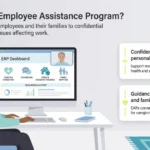
Many employers have recognized these challenges. They understand that personal responsibilities affect job performance, so they provide Employee Assistance Programs (EAPs). This piece will show how EAPs equip working caregivers with vital stress management techniques to help them balance their professional and caregiving responsibilities better.
Understanding the Dual Role of Employee and Caregiver

Image Source: Masonic Village Home Care
“There are only four kinds of people in the world: those who have been caregivers, those who are currently caregivers, those who will be caregivers, and those who will need caregivers.” — Rosalynn Carter, Former First Lady of the United States and prominent mental health advocate
Millions of workers worldwide face a tough challenge as they balance their jobs and caregiving duties. A recent study shows that 73% of people surveyed in the U.S. have some kind of caregiving responsibility. The numbers tell us that 60% of family caregivers hold jobs. Looking at Canada, the workforce still includes 72% of caregiving women and 83% of caregiving men between ages 45-65.
People juggling these two roles typically struggle with three big challenges. Time management becomes a daily battle between work duties and caregiving tasks. Their physical and mental health takes a hit, leading to higher stress, anxiety, and depression. Money management while keeping a stable job adds extra pressure to their situation.
The amount of care someone gives really affects how well they can handle both roles. Most caregivers who work can manage by giving less than 10 hours of weekly care. Those who give more intense care often end up leaving their jobs completely.
This pressure takes a toll on job performance. Caregivers miss more work days and their productivity drops. Many of them burn out physically, emotionally, and mentally. Things get even harder when they care for someone with dementia or a person who needs constant attention.
In spite of that, working caregivers can handle both their job and caregiving duties without risking their health by using good stress management techniques.
How EAPs Help Caregivers Navigate Challenges

Image Source: Verywell Mind
EAPs have come a long way since their early days as basic phone counseling services. These programs now provide extensive support that helps working caregivers handle their complex challenges.
Today’s EAPs give caregivers round-the-clock confidential counseling. This helps them build resilience and manage their work-life balance better. The law takes confidentiality seriously – federal regulations strictly prohibit EAPs from sharing employee information with employers.
Caregivers can access several great services through their EAPs. These include elder care assistance, guidance on living arrangements, transportation services, and care management referrals. They also get pre-paid counseling sessions to help with grief, stress, sleep problems, and relationship challenges.
Money management is a vital benefit since almost half of all caregivers face financial difficulties. Many workplaces use their EAPs to provide financial planning resources and flexible spending accounts.
Caregiving takes a heavy toll on mental health. Research shows 64% of caregivers experience moderate to high emotional stress. EAPs help address this through counseling, resilience programs, and support groups.
Most employees don’t know about these valuable resources. The average working caregiver spends 3 hours each day on care duties, but very few use their EAP benefits. Better communication about EAP services could help millions of people who juggle work and caregiving responsibilities.
Real Stories and the Business Case for Support

Image Source: Meditopia
The business case to support working caregivers goes well beyond compassion. Companies lose an estimated $17.10 to $33.00 billion annually because of lost productivity from caregiving duties. Almost one in four employed family caregivers miss work or show up unable to focus in a given month. Their work productivity drops by one-third on average.
Employee retention takes a big hit too. A Harvard study shows that 32% of employees left their jobs at some point because they had to care for family members. However, workers who get caregiving support are 30% more likely to stay with their companies.
Companies see real returns when they invest in caregiving support. Businesses can expect returns between $1.70 and $4.34 for each dollar they put into flexible work arrangements. Remote work options bring back between $2.46 and $4.45 per invested dollar.
People matter most in this equation. While 73% of caregivers keep working, many struggle to choose between their careers and family needs. A technology firm manager found this firsthand. She let her team member use EAP-supported flexible scheduling to care for an aging parent. This change boosted both productivity and team spirit. Workplace cultures that embrace caregiving realities don’t just keep talented people – they create loyal teams and stronger organizations that last.
Conclusion
Balancing caregiving with a career creates tough challenges that affect both personal wellbeing and workplace productivity. Millions of workers carry these dual responsibilities for years, often at the cost of their own health and career growth. Employee Assistance Programs serve as a vital lifeline by providing confidential counseling, elder care resources, and financial guidance tailored to working caregivers’ needs.
Companies that support their caregiving employees see substantial returns. The business case makes sense – lower absenteeism, better retention rates, and measurable ROI make these support programs a smart financial decision. These programs also show a company’s dedication to its employees’ wellbeing during their toughest times.
Working caregivers should take advantage of EAP resources instead of handling everything alone. Many people don’t know about these valuable benefits that can ease stress, offer practical solutions, and help maintain career momentum. The right support for working caregivers builds sustainable workplaces where employees feel valued and understood. This enables them to handle their complex responsibilities while pursuing their professional goals and family commitments.
The balance between caregiving and career presents ongoing challenges, but proper support systems make it manageable. As workplaces adapt to meet their employees’ diverse needs, EAPs will take on a more central role. This creates an environment where caregivers can succeed professionally while achieving their essential family responsibilities.
Key Takeaways
Working caregivers face immense challenges balancing professional and personal responsibilities, but Employee Assistance Programs offer crucial support that benefits both employees and employers.
• 73% of workers have caregiving responsibilities, with the average caregiver providing 5.1 hours of daily care for 4.6 years, making workplace support essential for millions.
• EAPs provide comprehensive confidential support including 24/7 counseling, elder care assistance, financial planning, and stress management specifically designed for working caregivers.
• Companies lose $17-33 billion annually from caregiver-related productivity issues, while supporting caregivers yields $1.70-$4.34 return per dollar invested.
• 32% of employees leave jobs due to caregiving demands, but those receiving workplace support are 30% more likely to stay with their employers.
• Many caregivers remain unaware of available EAP resources despite their potential to provide practical solutions and maintain career momentum during challenging periods.
The key to success lies in awareness and utilization—working caregivers should actively explore their EAP benefits, while employers must promote these programs to create sustainable workplaces where employees can thrive professionally while fulfilling family obligations.
FAQs
Q1. How can Employee Assistance Programs (EAPs) help working caregivers? EAPs offer comprehensive support including 24/7 confidential counseling, elder care assistance, financial planning guidance, and stress management resources. These services are specifically designed to help working caregivers balance their professional and caregiving responsibilities.
Q2. What percentage of workers have caregiving responsibilities? Approximately 73% of workers report having some type of current caregiving responsibility. This highlights the widespread nature of the challenge and the importance of workplace support for caregivers.
Q3. How does supporting working caregivers benefit employers? Supporting working caregivers can lead to reduced absenteeism, improved retention rates, and increased productivity. Companies can expect returns between $1.70 and $4.34 for every dollar invested in flexible work arrangements for caregivers.
Q4. What are some common challenges faced by working caregivers? Working caregivers often struggle with time management, emotional and physical stress, and financial pressures. They may experience increased absences, reduced productivity, and are at risk of developing caregiver burnout.
Q5. Are EAP services confidential? Yes, EAP services are confidential. It’s against federal law for EAPs to disclose information shared by employees to their employers. This confidentiality is crucial for encouraging employees to seek help without fear of workplace repercussions.