
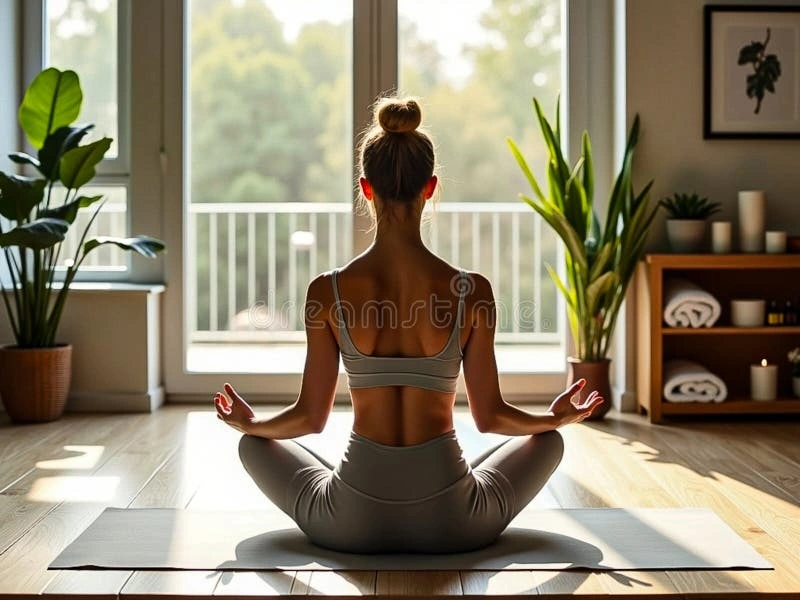
Stretching helps relieve stress in ways most people don’t realize. Life can get overwhelming and tension builds up in your shoulders, neck, or back. The solution might be as simple as a regular stretching routine.
Research shows that regular exercise and stretching can reduce stress hormone levels by a lot. These include adrenaline and cortisol in our bodies. On top of that, it boosts serotonin levels – the hormone that makes us feel good and keeps our mood stable. People who stretch five times a week for six weeks see better muscle flexibility and less stress. This becomes even more important because healthy adults need at least 150 minutes of moderate aerobic activity weekly. The good news is that stretching can be an available part of that routine.
In this piece, we’ll look at how stretching creates this powerful stress-busting effect. You’ll learn specific techniques to calm your mind and see how to build green practices that help ease anxiety tension every day.
How stretching helps reduce stress and anxiety
Our body tension and mental stress share a deep connection that offers a chance for relief. The anxiety we feel makes our muscles tighten up, especially around our neck, shoulders, and back. This physical tension makes us more stressed, which creates a tough cycle to break.
Stretching breaks this cycle in several ways. It activates your parasympathetic nervous system—your body’s “rest and digest” mode—and blocks your sympathetic “fight or flight” response. This transformation helps you feel calm and relaxed right away.
Your body releases endorphins when you stretch. These natural painkillers and mood boosters ease discomfort and make you feel good. Regular stretching also increases serotonin, the “happy hormone” that helps balance your mood and reduces depression and anxiety symptoms.
The most important benefit is that stretching helps lower cortisol—your main stress hormone. Research shows that people who followed a stretching program had much lower salivary cortisol levels than those who didn’t. A separate study showed that even brief stretching exercises at work helped reduce anxiety.
The mindful focus you need while stretching creates a meditation-like state. This helps you break free from racing thoughts as you focus on your body’s movements and feelings.
Stretching techniques that calm the mind
Image Source: Freepik
Breathing properly while stretching helps you relieve stress better. Your body naturally relaxes when you breathe deeply and control your breath during stretches. This activates your parasympathetic nervous system and reduces anxiety while making you feel calmer in both body and mind.
These stress-relief stretches work best when combined with focused breathing:
Child’s Pose — Your back, shoulders, and neck will feel less tense with this restorative stretch. Kneel with your knees apart, sit back on your heels, and fold forward with arms extended. Let your forehead rest on the floor and breathe deeply for up to 5 minutes. This pose connects you with your breath and reduces stress throughout your body.
Legs Up The Wall — Lie on your back and put your legs up against a wall. This gentle inversion calms your nervous system, eases back tension, and helps you relax. Breathe naturally and hold this position for up to 10 minutes.
Progressive Muscle Relaxation — This technique works by tensing and releasing different muscle groups. Tense each area for 10 seconds, then release it as you take slow, deep breaths. Begin with your head and work your way down. Research shows PMR substantially reduces anxiety levels in various populations.
Diaphragmatic breathing makes these stretches work better. Breathe deeply through your nose and let your belly expand instead of your chest. Your blood pressure and heart rate will drop, and you’ll feel more relaxed.
Your mind becomes clearer when you focus on how your body feels during stretching. This breaks the cycle of anxious thoughts and keeps you grounded in the present moment.
Making stretching a daily stress relief habit
Image Source: YouTube
Daily stretching can turn into a powerful stress management tool. A healthy stretching habit doesn’t need much time—even 5-10 minutes daily works better than occasional longer sessions.
The path to success comes from connecting stretches to your daily routines—experts call this “habit stacking.” You could do neck rolls while making coffee or stretch your hamstrings right after taking off your shoes. The best results come from holding each stretch between 15-30 seconds and doing 2-4 repetitions.
Your stretching routine becomes more effective if you pick the right time. Starting your day with stretches sets a positive tone and helps with overnight stiffness. Taking stretch breaks at midday can reset your mood during stressful work. Stretches in the evening tell your body it’s time to wind down and might help you sleep better.
Begin with 3-5 basic stretches that target your major muscle groups. Your flexibility will improve, and you can slowly increase how long and hard you stretch. Taking photos or keeping notes about your progress helps stay motivated.
Regular stretching kicks in your body’s natural relaxation response. Research shows that stretching reduces anxiety, burnout, and pain—you’ll see results with just 10 minutes each day for three months.
Note that five minutes of stretching each day beats a half-hour session once in a while. Your body responds to consistent practice with better flexibility, less muscle tension, and improved blood flow over time.
Conclusion
Stretching is a great way to manage daily stress and anxiety. Simple movements do more than just improve physical flexibility – they actually change our body’s chemistry. They lower cortisol levels and boost mood-enhancing hormones like serotonin and endorphins.
The sort of thing I love about stretching is how it breaks that harmful cycle. Mental stress creates physical tension, which makes anxiety worse. Child’s Pose and Progressive Muscle Relaxation are practical tools you can use whenever tension builds up. These techniques work even better when you combine them with mindful breathing to activate your body’s natural relaxation response.
Note that consistency matters more than how long you stretch. Even five minutes of stretching each day works better than longer occasional sessions. You’ll find it easier to keep up this practice if you connect these movements to your existing habits. Try stretching while your morning coffee brews or right before bed.
Your body will tell you how it responds once stretching becomes part of your routine. Many people feel not just physical relief but mental clarity too. When you unknot your muscles, your mind often follows suit. Stretching offers a simple yet profound path to feeling calmer and more centered. You’ll end up more at peace with yourself, whether you’re dealing with everyday stress or deeper anxiety.
Key Takeaways
Discover how simple stretching movements can transform your stress levels and mental well-being through proven biological mechanisms and practical daily habits.
• Stretching triggers powerful stress-relief chemistry — Regular stretching lowers cortisol and adrenaline while boosting mood-enhancing endorphins and serotonin levels.
• Combine deep breathing with stretches for maximum calm — Techniques like Child’s Pose and Progressive Muscle Relaxation activate your parasympathetic nervous system.
• Consistency beats duration for lasting results — Just 5-10 minutes of daily stretching provides greater benefits than occasional longer sessions.
• Link stretching to existing habits for success — Practice neck rolls while brewing coffee or evening stretches before bed to build sustainable routines.
• Break the stress-tension cycle naturally — Stretching interrupts the harmful loop where mental anxiety creates physical tension that amplifies stress levels.
The mind-body connection works both ways—when you unknot your muscles through regular stretching, you simultaneously unknot your mind, creating a simple yet profound path to daily stress relief and mental clarity.
FAQs
Q1. How does stretching help reduce stress and anxiety? Stretching activates the body’s relaxation response, lowers stress hormones like cortisol, and increases mood-enhancing chemicals such as endorphins and serotonin. It also helps break the cycle of mental stress causing physical tension, which in turn amplifies anxiety.
Q2. What are some effective stretching techniques for calming the mind? Some effective techniques include Child’s Pose, Legs Up The Wall, and Progressive Muscle Relaxation. These stretches, when combined with deep breathing, can significantly reduce tension and promote relaxation throughout the body and mind.
Q3. How long should I stretch each day to see stress-relief benefits? Consistency is more important than duration. Even 5-10 minutes of daily stretching can provide significant benefits. It’s better to have a short, regular routine than occasional longer sessions.
Q4. When is the best time to stretch for stress relief? The best time varies for each individual. Morning stretches can set a positive tone for the day, midday stretches can reset your mood during work, and evening stretches may improve sleep quality. Choose a time that works best for your schedule and stick to it.
Q5. Can stretching help with sleep quality? Yes, stretching before bedtime can signal to your body that it’s time to relax, potentially improving sleep quality. Evening stretching routines may help reduce physical tension and mental stress, promoting better sleep.